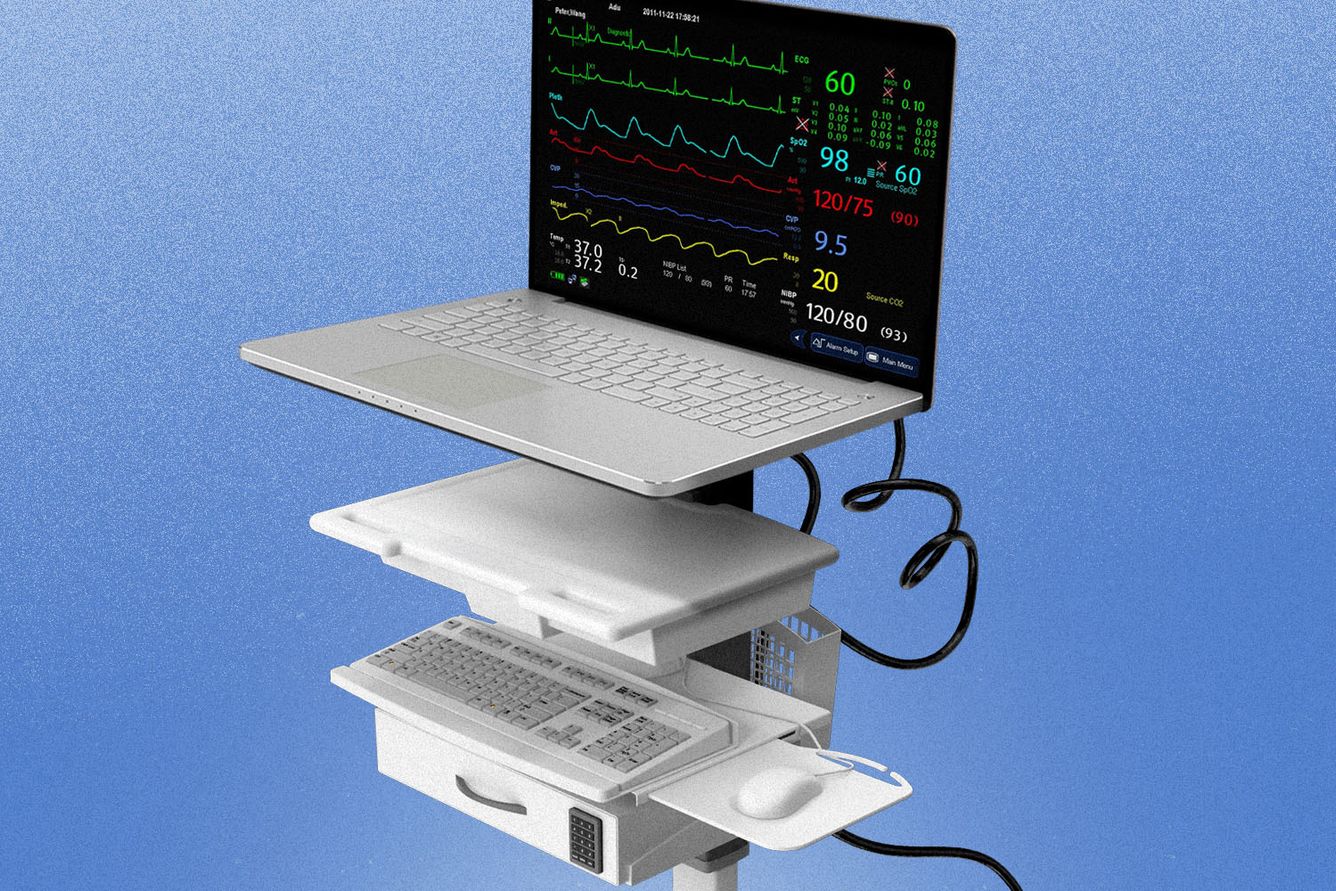
Technology-forward pharmaceutical companies are increasingly experimenting with digital twins to streamline the clinical trial process. Digital twins are virtual copies of organs and human bodies companies use to test drugs, and the tech can help predict disease progression and optimize study design. Over the last few years, French pharma company Sanofi has built digital twins to simulate the behaviors of its drugs as well as patient outcomes in dozens of disease areas. Although artificial intelligence (AI) is currently the industry’s favorite buzzword, Paris-based Sanofi’s digital twins do not rely solely on input from AI models, Matt Truppo, global head of research platforms and computational R&D at Sanofi, told Healthcare Brew. The company’s models also incorporate the quantitative systems pharmacology (QSP) approach that combines math and biology modeling based on differential equations. AI models are often referred to as “black boxes” because how they derive an output from a given input can be unclear, and this is troublesome if researchers need to explain why a model made a mistake. QSP is “more deterministic,” Truppo added, and it helps make the models more “explainable.” Keep reading here.—CH |