The inside scoop
To:Brew Readers
Healthcare Brew // Morning Brew // Update
What it’s like to run a federally qualified health center.
Advertisement Advertisement

It’s Wednesday again, and a recent study suggests that going through menopause later in life may lower the odds of developing heart disease. The study, from University of Colorado, Boulder, found that patients who start menopause at age 55 or older have greater endothelial function than those who undergo the transition at the average ages of 45–54.

In today’s edition:

What it takes to run an FQHC

Gold card access

Elevance sees high earnings

—Maia Anderson, Caroline Catherman

HEALTH SYSTEM

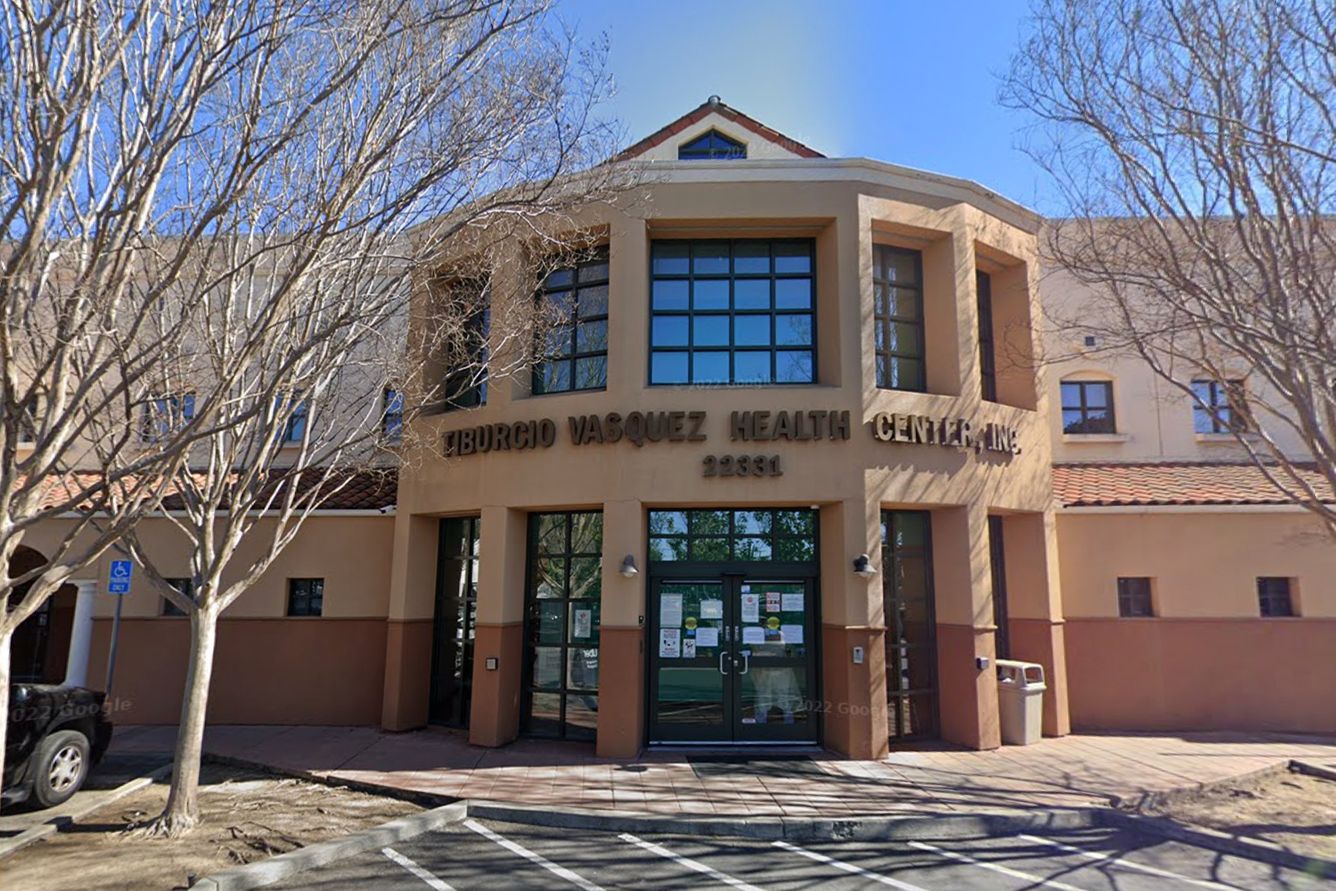
Tiburcio Vasquez Health Center

Tiburcio Vasquez Health Center

Imagine working multiple jobs at once to provide healthcare access to the most vulnerable residents of your community while operating on razor-thin margins and also saving the overall US healthcare system money.

That’s what it takes to be the CEO of a community health system (CHCs), according to Andrea Schwab-Galindo, chief exec of the Tiburcio Vasquez Health Center in the San Francisco Bay Area.

Tiburcio Vasquez is a nonprofit and federally qualified health center, which means it’s an outpatient clinic that’s eligible for certain types of state and federal funding. The health center was founded in 1971 and now operates 14 sites, treating about 30,000 patients across roughly 113,000 visits annually.

“Unlike other CEOs at other health systems, as a community health center CEO you have to wear multiple hats,” Schwab-Galindo told Healthcare Brew. “I joke around and I tell our staff that if you work at a community clinic you can work anywhere because you really have the opportunity to learn so many things and to do a lot more than you would at a private hospital.”

Read more about Tiburcio Vasquez Health Center and its CEO here.MA

Presented By SVB

INSURANCE

Caduceus, Healthcare medical symbol on gold card.

Emily Parsons

Move over, Amex. There’s a new gold card in town.

Payers including UnitedHealthcare and Health Care Service Corporation (HCSC) and states like Arkansas and Texas have created “gold card” requirements to cut down on prior authorization wait times for vetted providers.

United’s program, for instance, gives a gold card to “provider groups who consistently adhere to evidence-based care guidelines” and have prior authorization approval rates of 92% or higher over at least two years.

Unlike a credit card, however, you can’t tuck prior authorization gold cards into your wallet. This designation just means these providers are allowed to give advance notification to United for eligible procedure codes rather than going through the full prior-authorization process, which requires clinical information and can have lengthy wait times.

Learn more about what insurance gold cards do.—CC

EARNINGS

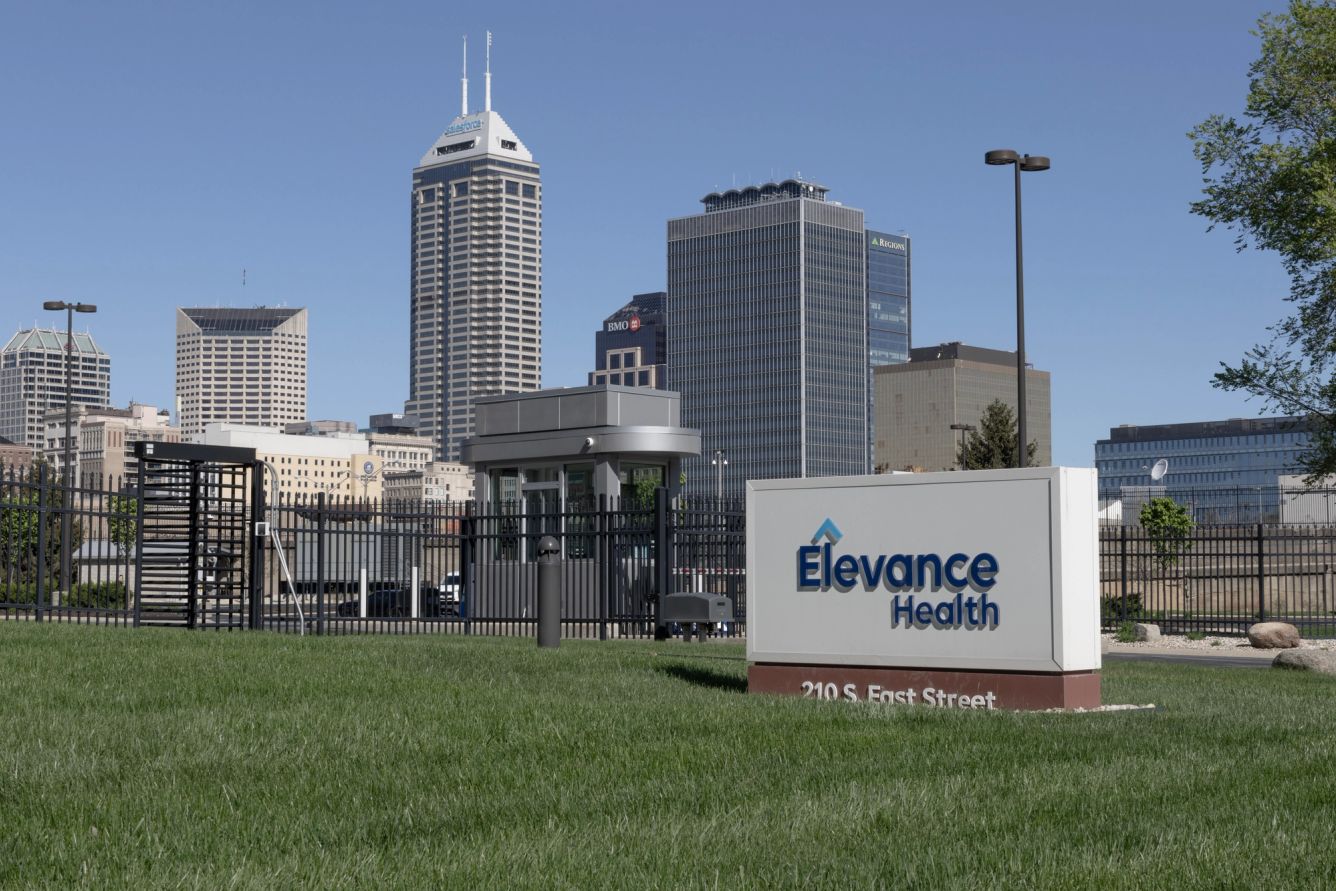
Elevance Health world headquarters. Elevance Health is a health insurance provider, formerly known as Anthem Insurance.

Jetcityimage/Getty Images

Despite rising Medicare Advantage (MA) utilization, Elevance Health has come out of Q1 2025 unscathed.

The company reported adjusted diluted earnings per share of $11.97 and stuck to its prediction of $34.15 to $34.85 adjusted earnings per share for 2025. This contrasts with peer UnitedHealth Group, which lowered its earnings predictions for the year in its call last week following a disappointing quarter. (Elevance released a preview of its earnings in a Form 8-K on April 17, hours after UnitedHealth detailed its surprisingly bad quarter, to reassure investors.)

“We’re staying focused on what we can control, delivering operational results, engaging proactively with partners, and advancing our long-term strategy,” President and CEO Gail Boudreaux said in Elevance’s April 22 earnings call.

United attributed its struggle to surprisingly high MA utilization and unexpected expenses from Optum, the company’s healthcare services business, Healthcare Brew previously reported.

See more on Elevance’s earnings here.—CC

VITAL SIGNS

A laptop tracking vital signs is placed on rolling medical equipment.

Francis Scialabba

Today’s top healthcare reads.

Stat: $460 million. That’s how much Ascension Seton plans to spend to buy Cedar Park Regional Medical Center in Texas from Tennessee-based Community Health Systems. (Healthcare Dive)

Quote: “That’s the nature of an agency, isn’t it, that they hire experts to help the decision makers come to a conclusion?”—Supreme Court Justice Sonia Sotomayor, during oral arguments for a case questioning the powers of the US Preventive Services Task Force (Reuters)

Read: How doctors at an Alabama clinic say federal funding cuts are impacting rural healthcare. (the Atlantic)

Investments are soaring: A new SVB report found that women’s health startups saw a whopping 55% increase in VC investments in 2024. Learn about the factors driving this record-breaking funding and the sector’s long-term potential.*

*A message from our sponsor.

JOBS

Real jobs, shared through real communities. CollabWORK brings opportunities directly to Healthcare Brew readers—no mass postings, no clutter, just roles worth seeing. Click here to view the full job board.

SHARE THE BREW

Share Healthcare Brew with your coworkers, acquire free Brew swag, and then make new friends as a result of your fresh Brew swag.

We're saying we'll give you free stuff and more friends if you share a link. One link.

Your referral count: 5

Click to Share

Or copy & paste your referral link to others:
https://www.healthcare-brew.com/r?kid=9ec4d467

         
ADVERTISE // CAREERS // SHOP // FAQ

Update your email preferences or unsubscribe here.
View our privacy policy here.

Copyright © 2025 Morning Brew Inc. All rights reserved.
22 W 19th St, 4th Floor, New York, NY 10011

Navigate the healthcare industry

Healthcare Brew covers pharmaceutical developments, health startups, the latest tech, and how it impacts hospitals and providers to keep administrators and providers informed.

By subscribing, you accept our Terms & Privacy Policy.

A mobile phone scrolling a newsletter issue of Healthcare Brew