New year, new healthcare vision! Join us this Wednesday, Jan. 31, for a discussion with Kevin Zhang, partner at Upfront Ventures, to learn what goals executives should consider for the year ahead. We’ll explore how tech innovations are disrupting traditional hospital and healthcare operations. Take action in the new year and let’s contribute to shaping the future of hospitals.
In today’s edition:
 Medicaid risk models Medicaid risk models
 J&J lawsuit J&J lawsuit
 It’s settled It’s settled
—Amanda Eisenberg, Quinn Sental
|
|
Jazzirt/Getty Images
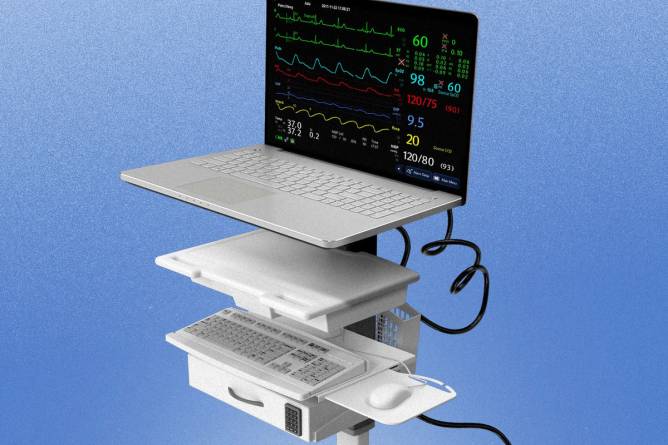
New technology from public benefit corporation Waymark predicted avoidable emergency room and hospital utilization with 90% accuracy, according to a new study released this month.
The machine learning tool, Waymark Signal, looks at “social risk factors and patient risk trajectories,” along with healthcare utilization, to determine which Medicaid patients are at risk for costly visits.
Researchers used Centers for Medicare and Medicaid Services data from 2017–2019 across 26 states and Washington, DC, to determine that “Waymark Signal was 3x better at identifying at-risk patients and 10x better at predicting costs compared to conventional [Medicaid risk] models.”
Keep reading here.—AE
Do you work in healthcare or have information about the industry that we should know? Email Amanda at [email protected]. For confidential conversations, ask Amanda for her number on Signal.
|
|
PRESENTED BY GE HEALTHCARE
|
2024 is a big year for healthcare innovations, meaning all the trends that have been cause for chatter over the past few years are happening—and they’re happening right now.
Excited? Good. So is GE HealthCare, which is why they’re sharing their thoughts on the advancements of a huge healthcare breakthrough:  precision healthcare. precision healthcare.
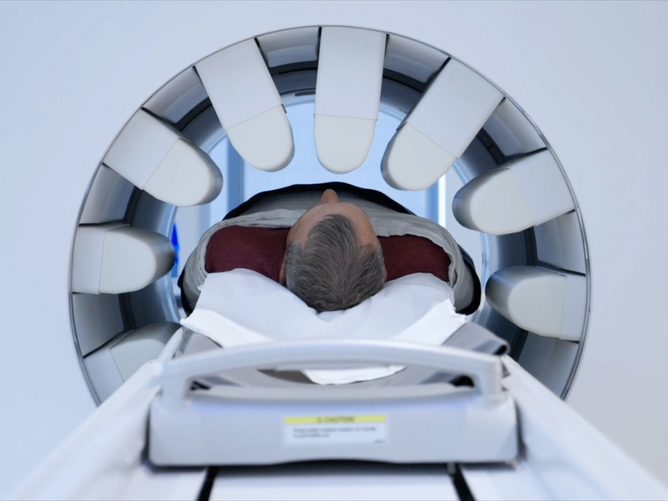
Precision healthcare uses data like electronic health records, genetic info, lab results, and precise imaging to create a unique profile for each patient. All this data is combined with innovative tech to make treatments more personalized.
Interested in learning more about precision healthcare? Read up on how this breakthrough helps give patients and their families improved outcomes + better care here.
|
|
Justin Sullivan/Getty Images
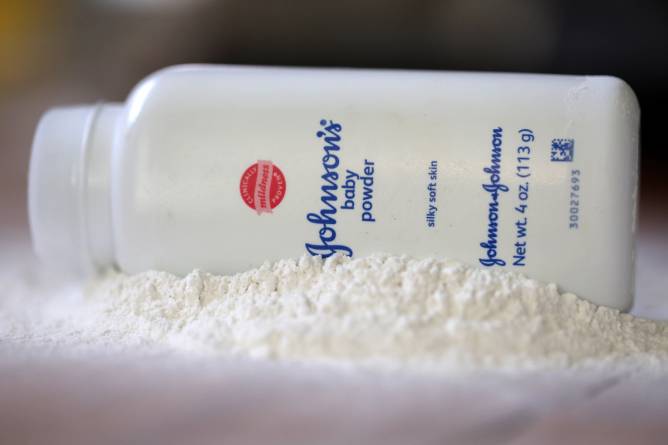
Johnson & Johnson (J&J) has “tentatively agreed” to a $700 million settlement following a 42-state investigation into its marketing of talc-based baby powder—though it still leaves thousands of personal-injury lawsuits unaddressed.
More than 50,000 personal-injury lawsuits have been filed against J&J, some alleging that the company’s talc-based powders including Johnson’s Baby Powder contained asbestos, which causes a rare form of cancer, and others alleging a link between the powders and ovarian cancers that developed, according to the Wall Street Journal. J&J has previously stated that its products were safe, and that they don’t contain asbestos or cause cancer.
In 2023, J&J proposed an $8.9+ billion settlement for personal-injury lawsuits filed across the country, separate from the new $700 million settlement to the states, and for a bankruptcy plan. The proposal was rejected, and one plaintiff described the proposal as “a shameful attempt to run out the clock on people dying of cancer and convince some lawyers to give up.”
Keep reading here.—QS
Do you work in healthcare or have information about the industry that we should know? Email Quinn at [email protected]. For confidential conversations, ask Quinn for their number on Signal.
|
|
J2r/Getty Images
NewYork–Presbyterian Hospital has agreed to pay $801,000 for claims that two Brooklyn-based practices improperly billed Medicaid and the military health plan Tricare, the US attorney for the Eastern District of New York announced Thursday.
NewYork–Presbyterian Hospital had contracts with the two now-defunct facilities that provided outpatient radiation oncology services, according to the settlement, which was filed in federal court and approved on January 19.
“The defendants provided substandard care to cancer patients by not properly or timely reviewing medical imaging and then billed taxpayer funded healthcare programs for these shoddy services,” US Attorney Breon Peace said in a statement. “My office is committed to holding healthcare providers accountable for such conduct.”
Keep reading here.—AE
|
|
TOGETHER WITH GE HEALTHCARE
|
|
Make healthcare more personal. How? GE HealthCare’s breakdown on precision healthcare gets into the nitty-gritty details. Learn all about the data and tech that goes into precision healthcare + how this trend helps tailor diagnoses and treatments for individual patients. Learn more here.
|
|
Level up your career with these resources from our sponsors!
|
|
Francis Scialabba
Today’s top healthcare reads.
Stat: One in three New York City residents live by a mega warehouse—pollution from which may cause serious health problems. (Gothamist)
Quote: “We’ve never had a therapy that restores even partial hearing for someone who’s totally deaf other than a cochlear implant.”—Lawrence Lustig, a hearing loss expert at Columbia University, on a new injection-based gene therapy that can improve hearing (Wired)
Read: Hormonal birth control lowers testosterone, but it may also make sex more painful and decrease libido. (the New York Times)
Data  tech: Precision healthcare uses patient data + the latest tech to help provide personalized diagnoses and treatments for each individual. Read GE HealthCare’s full breakdown of precision healthcare and other innovative breakthroughs here.* tech: Precision healthcare uses patient data + the latest tech to help provide personalized diagnoses and treatments for each individual. Read GE HealthCare’s full breakdown of precision healthcare and other innovative breakthroughs here.* *A message from our sponsor.
|
|
ADVERTISE
//
CAREERS
//
SHOP
//
FAQ
Update your email preferences or unsubscribe
here.
View our privacy policy
here.
Copyright ©
2024
Morning Brew. All rights reserved.
22 W 19th St, 4th Floor, New York, NY 10011
|
|