State oversight
To:Brew Readers
Healthcare Brew // Morning Brew // Update
States are taking it upon themselves to regulate private equity in healthcare.

Here comes Wednesday. Have you invested in a standing desk to avoid the health hazards of sitting too much during the workday? Well, turns out standing too long *also* isn’t great for your health. An Australian study published in October with 83,000 participants found that standing may not lower the risk of heart disease and may actually increase the risk of circulatory diseases. So…maybe invest in a walking pad to put under that standing desk?

In today’s edition:

Reining in private equity

No. 1 in No. 2

Walgreens settles…again

—Maia Anderson, Cassie McGrath

PRIVATE EQUITY

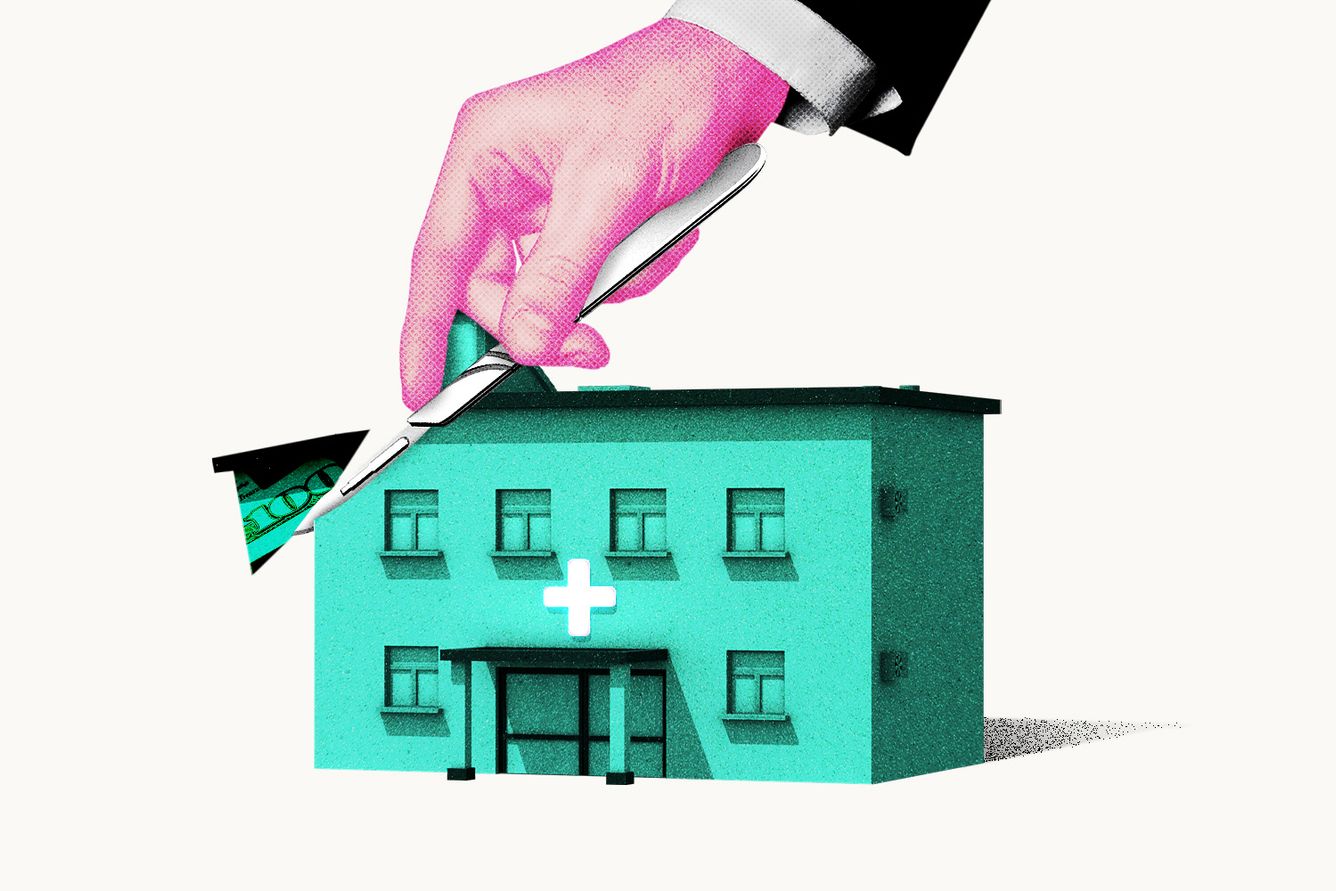
Hand holding a scalpel cutting a piece of a hospital.

Illustration: Anna Kim, Photo: Adobe Stock

Private equity (PE) dollars have become prominent in the US healthcare industry in recent decades, with PE firms now owning roughly 8% of all private hospitals in the country, according to nonprofit Private Equity Stakeholder Project.

But studies have illustrated the financial model’s potential adverse effects, such one published in JAMA in December 2023 that found PE-owned hospitals are 25.4% more likely to report patient complications. Others have found that PE-owned healthcare companies represented more than one-fifth of healthcare company bankruptcies in 2023 and that PE-owned hospitals see their assets drop an average of 24% following an acquisition.

In response, states have stepped up scrutiny of private equity’s influence on healthcare.

“Just in the last year or two, several states have amped up their efforts to increase market oversight, not just for private equity investors, but different types of consolidation activity in healthcare,” Yashaswini Singh, a healthcare economist and assistant professor of health services, policy, and practice at Brown University School of Public Health, told Healthcare Brew. “Instead of waiting for the federal government to do something, a lot of states are taking action.”

Keep reading here.—MA

Presented by HSBC

MEDICAID

Woman donates disposable diapers

Getty Images

Lauren Barca believes fighting health inequality often comes down to something simple—and, frankly, messy: diapers.

“Diapers have been the overlooked, silent epidemic of families in need,” she told Healthcare Brew.

Barca, VP of quality at 86Borders, a member relationship management company that works with vulnerable Medicare and Medicaid beneficiaries, led the charge to make Tennessee the first state to cover diapers under Medicaid. The program works by covering disposable diapers for babies and toddlers up to two years old enrolled in Medicaid and the Children’s Health Insurance Program. It began in August and provides parents and caregivers up to 100 diapers a month under a section 1115 demonstration waiver, which is used to test new programs that align with Medicaid’s goals, when parents show their child’s pharmacy ID card.

“Hopefully, that will drive people to also pick up other important medications for their family [and] get those necessary flu vaccines or other recommended vaccinations,” Barca said.

As of November 8, the program has served 30,321 Medicaid members.

Keep reading here.—CM

RETAIL PHARMA

A Walgreens sign outside one of the chain's retail locations.

Michael M. Santiago/Getty Images

Turns out it is possible for companies to offer customers too many savings.

Retail pharmacy giant Walgreens agreed on November 4 to pay $100 million to settle a lawsuit first filed in 2017 that claimed the company had charged insured customers more for prescriptions than its Prescription Savings Club customers. Plaintiffs alleged at the time that Walgreens was artificially inflating the prices it reported to insurers.

This comes less than two months after Walgreens paid a $106.8 million settlement over allegations that the chain had improperly submitted claims to Medicare, Medicaid, and other federal health programs for prescriptions that were filled but never picked up.

It also comes as Walgreens works through a major strategy shift after a year of seeing its shares plunge 63%.

Keep reading here.—MA

Together With LetsGetChecked

VITAL SIGNS

A laptop tracking vital signs is placed on rolling medical equipment.

Francis Scialabba

Today’s top healthcare reads.

Stat: $3.9 billion. That’s how much medical supplier and pharmaceutical distributor Cardinal Health plans to spend to acquire two companies, one a GI care platform and the other a diabetes drug provider. (Fierce Healthcare)

Quote: “These are some of the costliest services, received by some of the costliest patients. Plans are strongly motivated to reduce the cost of care delivery.”—Claire Ankuda, a physician at Mount Sinai Hospital in New York, on the trend of end-of-life patients with Medicare Advantage plans switching to traditional Medicare (the Wall Street Journal)

Read: Many opioid recovery institutions firmly reject opioid addiction treatment medications, such as buprenorphine. (Stat)

The future in focus: To prepare for tomorrow’s healthcare industry, HSBC listened to the visionaries and physicians of today. The result? HSBC’s Health 2035 Report, created with collaboration from LINUS and HLTH. Download the report.*

*A message from our sponsor.

JOBS

Real jobs, shared through real communities. CollabWORK brings opportunities directly to Healthcare Brew readers—no mass postings, no clutter, just roles worth seeing. Click here to view the full job board.

SHARE THE BREW

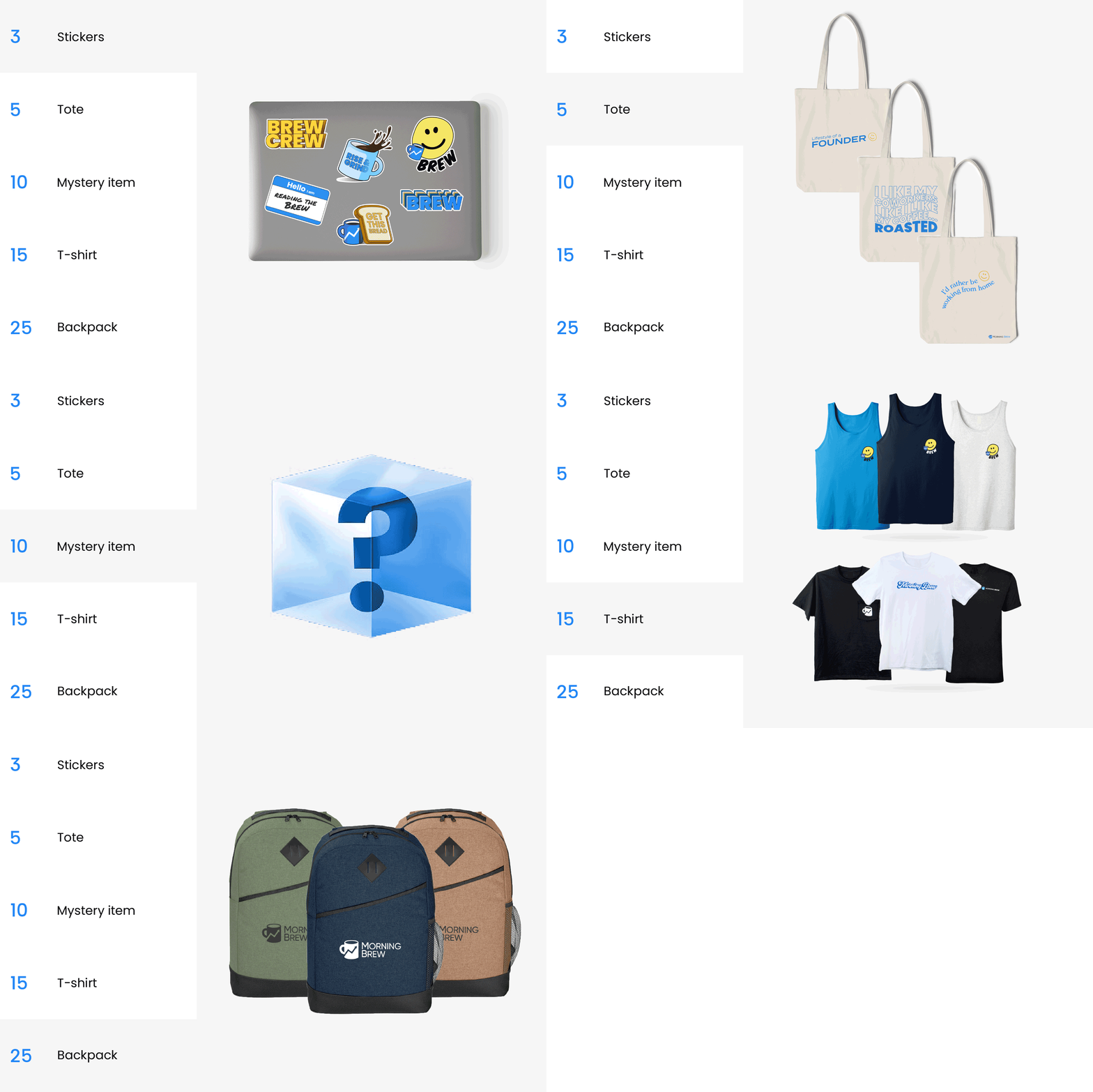
Share Healthcare Brew with your coworkers, acquire free Brew swag, and then make new friends as a result of your fresh Brew swag.

We're saying we'll give you free stuff and more friends if you share a link. One link.

Your referral count: 5

Click to Share

Or copy & paste your referral link to others:
https://www.healthcare-brew.com/r?kid=9ec4d467

         
ADVERTISE // CAREERS // SHOP // FAQ

Update your email preferences or unsubscribe here.
View our privacy policy here.

Copyright © 2025 Morning Brew Inc. All rights reserved.
22 W 19th St, 4th Floor, New York, NY 10011

Navigate the healthcare industry

Healthcare Brew covers pharmaceutical developments, health startups, the latest tech, and how it impacts hospitals and providers to keep administrators and providers informed.

By subscribing, you accept our Terms & Privacy Policy.

A mobile phone scrolling a newsletter issue of Healthcare Brew