Picking a PBM
To:Brew Readers
Healthcare Brew // Morning Brew // Update
Employers are increasingly moving to alternative PBMs.

Hiya. Jimmy Kimmel Live! returned to the air yesterday after a weeklong suspension by parent company Disney. Totally unrelated, but in case you’re curious, the Mayo Clinic defines whiplash as a neck injury following “rapid back-and-forth movement.”

In today’s edition:

🫥 Transparency in PBMs

Addressing plastic waste

OB is not OK

—Maia Anderson, Nicole Ortiz, Cassie McGrath

PBMS

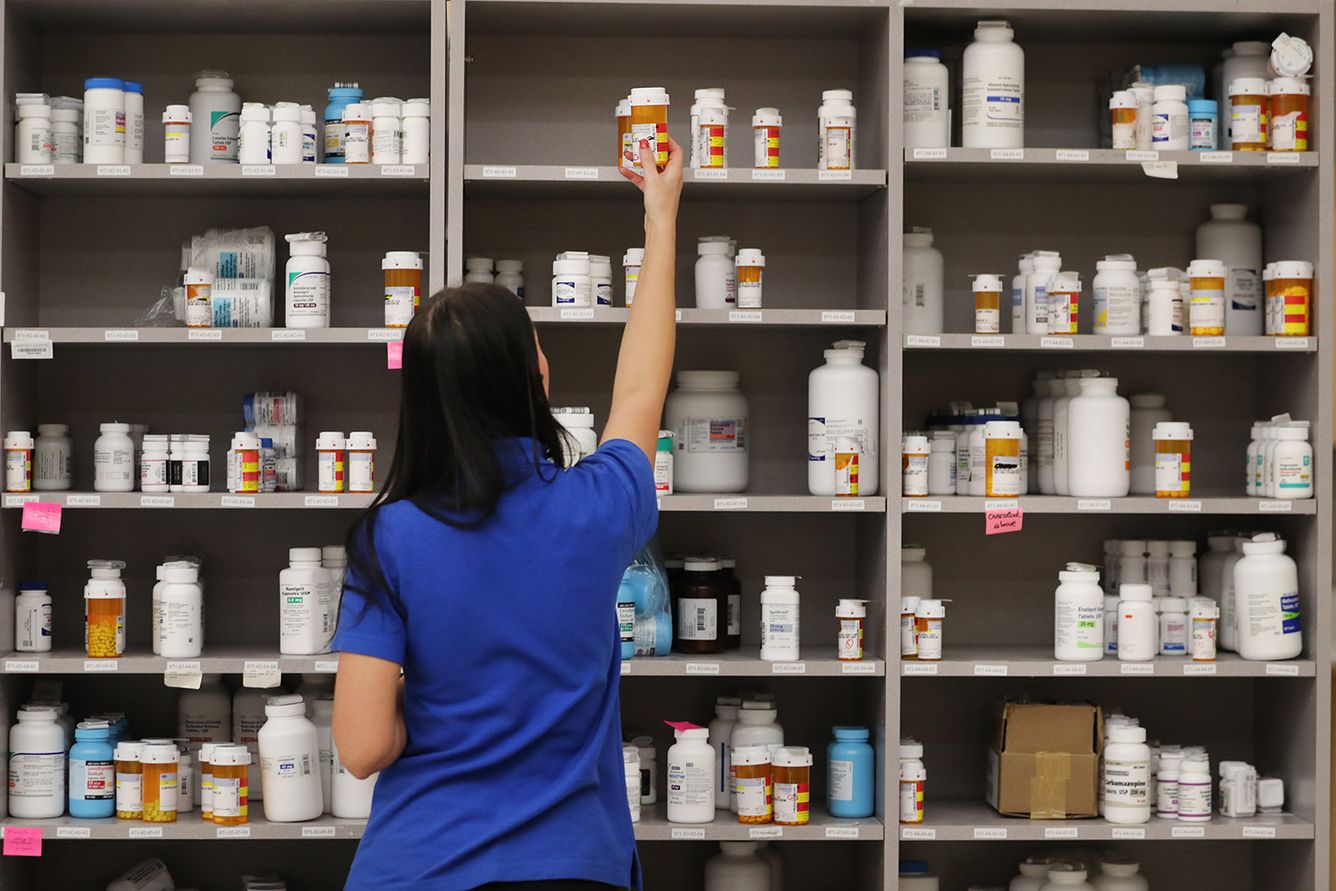
A pharmacy technician grabs a bottle of medicine off a shelf at a pharmacy

George Frey/Getty Images

Watch out Big 3—alternative pharmacy benefit managers (PBMs) are coming for you.

Amid rising drug costs, lawsuits, and federal scrutiny, employers are increasingly looking for new ways to manage their pharmacy benefits outside the Big 3 PBMs: CVS’s Caremark, Cigna’s Express Scripts, and UnitedHealth’s Optum Rx, which collectively control about 80% of the pharmacy market.

A September report from nonprofit trade group the National Alliance of Healthcare Purchaser Coalitions, found 61% of the 324 employers surveyed have moved away from using the three major PBMs in the past year or are considering moving away from them within the next three years.

“The heightened awareness around the large three PBMs in the market really took off last year, and that has made a lot of plan sponsors curious to explore different options in the industry,” Alysha Fluno, national pharmacy practice leader at consulting firm Mercer, told Healthcare Brew.

Alternative PBMs are trying to shake things up.—MA

Presented By LinkedIn

PHARMA

Pile of Microcentrifuge Tubes - Medical Plastic

Pidjoe/Getty Images

Recycling plastics is already difficult for the average household to figure out—so just imagine how tricky it gets at a hospital or other medical facility, where less than 5% of plastic is recycled.

A Sept. 10 recent study from London-based sustainability consultancy Systemiq and Bristol-based environmental researcher Eunomia found there are 2.1 million metric tons of single-use plastics used in healthcare across North America and Europe, resulting in 9.3 million metric tons of greenhouse gas (GHG) emissions. This is an estimated $56 billion in total costs per year, Systemiq partner and plastics lead Yoni Shiran said in an accompanying webinar.

If things remain the same, the researchers estimate this could grow to 2.9+ million metric tons of plastics at $76 billion per year by 2040, a 35% to 40% growth rate.

According to the study, seven categories make up the majority of all plastic waste in healthcare: fluid bags and tubing, gloves, device packaging, rigid devices, PPE, wipes, and pharmaceutical packaging.

“Put simply, without systemic change, the negative impacts of single-use plastics in healthcare will become more severe, will put more pressures on public budgets, on waste streams, and climate outcomes,” Shiran said.

See more from the study here.—NO

OB-GYN

A hospital in a rural location

Amelia Kinsinger

Maternal health has long been a challenge in rural areas, with 52.4% of 1,955 rural hospitals not offering obstetric care as of 2022, according to a 2024 research letter published in JAMA. With Medicaid cuts coming, experts have previously told us access to birthing services is only expected to become more difficult.

New research from Carnegie Mellon University, Northwestern University, and the University of Georgia may provide more insight into why maternal care access is challenged in these areas—namely, due to mergers and acquisitions.

The study, which is a National Bureau of Economic Research working paper, found that five years after rural hospitals are acquired, they are 30% less likely to provide obstetric services.

“It is very much a growing and troubling trend in rural communities,” Carrie Cochran-McClain, chief policy officer at the nonprofit National Rural Health Association, told Healthcare Brew.

Here’s what’s happening in rural health.—CM

Together With LinkedIn

VITAL SIGNS

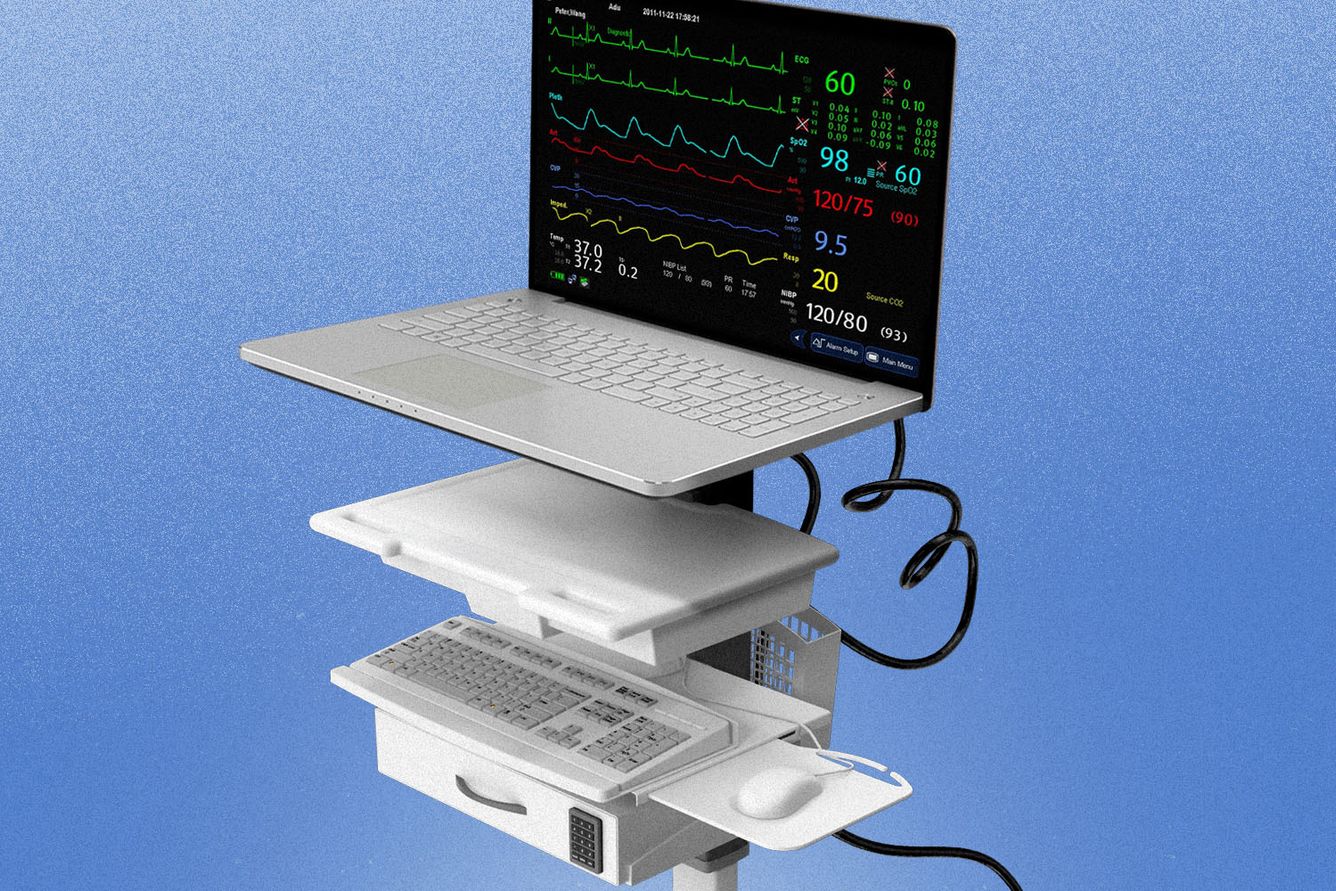
A laptop tracking vital signs is placed on rolling medical equipment.

Francis Scialabba

Today’s top healthcare reads.

Stat: $7.3 billion. That’s how much a deal between Pfizer and GLP-1 drugmaker Metsera is worth. (CNBC)

Quote: “I definitely see a future where there is considerable state-level variability on vaccine policy, much like we have seen in the abortion space.”—Katelyn Jetelina, an epidemiologist and former CDC senior advisor, on states taking vaccine recommendations into their own hands (the Guardian)

Read: CDC vaccine advisors decline to recommend Covid shots for anyone, even high-risk groups. (AP)

Scrub in: Read up on how you can attract and retain top nursing talent in LinkedIn's Healthcare Report 2025. Hint: Nurses want better pay + more work-life balance. Get all the details.*

*A message from our sponsor.

Anthem Health Insurance facility on February 5, 2015 in Indianapolis, Indiana.

Aaron P. Bernstein/Getty Images

High-profile cyberattacks in 2015 exposed healthcare’s weak defenses, putting millions of patient records at risk. Since then, hospitals and providers have adopted encryption, multi-factor authentication, and stricter regulations, transforming cybersecurity from an IT afterthought to a board-level priority. Learn how the industry has evolved to protect sensitive data and what healthcare organizations are doing today to stay ahead of increasingly sophisticated threats.

Read now

SHARE THE BREW

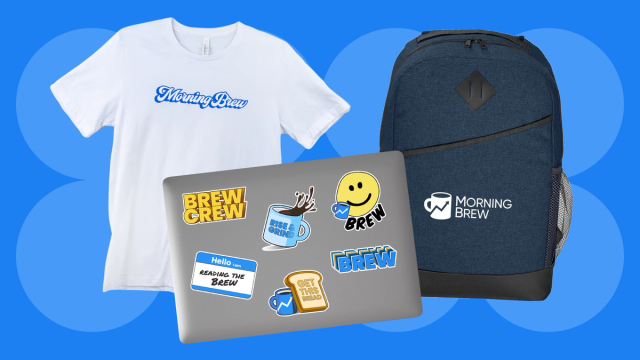
Share Healthcare Brew with your coworkers, acquire free Brew swag, and then make new friends as a result of your fresh Brew swag.

We're saying we'll give you free stuff and more friends if you share a link. One link.

Your referral count: 5

Click to Share

Or copy & paste your referral link to others:
https://www.healthcare-brew.com/r?kid=9ec4d467

         
ADVERTISE // CAREERS // SHOP // FAQ

Update your email preferences or unsubscribe here.
View our privacy policy here.

Copyright © 2025 Morning Brew Inc. All rights reserved.
22 W 19th St, 4th Floor, New York, NY 10011

Navigate the healthcare industry

Healthcare Brew covers pharmaceutical developments, health startups, the latest tech, and how it impacts hospitals and providers to keep administrators and providers informed.

By subscribing, you accept our Terms & Privacy Policy.

A mobile phone scrolling a newsletter issue of Healthcare Brew