Lights, camera…drugs?
To:Brew Readers
Healthcare Brew // Morning Brew // Update
Camera maker Fujifilm expands its biotech manufacturing offering.

It’s Friday. A recent report from the Trevor Project found anxiety, depression, and suicidal ideation rates have risen among LGBTQ+ youth between September 2023 and March 2025. In a year when gender-affirming care restrictions have been heavily implemented, LGBTQ+ providers have previously shared ways they’ve adapted to support and care for patients.

In today’s edition:

Picture Pharma perfect

Trump drug price cuts?

🩻 September’s FDA recalls

—Cassie McGrath, Caroline Catherman

DRUG DEVELOPMENT

Cambridge, USA - 26 July 2024. A colorful facade wraps around FUJIFILM Diosynth Biotechnologies, blending science and design in a playful, modern exterior and street reflections.

Veronique D/Getty Images

I like some of Fujifilm’s cameras. But what does it know about pharmaceuticals?

Well, a lot actually.

And on Sept. 24, its drug manufacturing arm Fujifilm Biotechnologies made its next big investment: a $3.2 billion facility in Holly Springs, North Carolina, part of the state’s biotech hub—aka the Research Triangle.

Fujifilm Biotechnologies launched as a drug manufacturer in 2011, making a big shift into healthcare as its film business was failing. Over the last almost 15 years, the company has found success in this model, reporting $2.1 billion in revenue for its healthcare segment in Q4 2025.

A new industry. In 2006, Fujifilm lost a significant portion of its revenue when digital cameras took over and the company could no longer make as much profit from physical film, Lars Petersen, president and CEO of Fujifilm Biotechnologies, told Healthcare Brew.

The camera maker isn’t new to biotech, but it is expanding.—CM

Presented By Zelis

PHARMA

Drug price increase CFO

Francis Scialabba

It’s no secret US drug prices are much higher than the rest of the world—nearly 2.8x higher for branded and generics in 2022, in fact, the Department of Health and Human Services reported.

President Trump has been outspoken about the cost of drugs in the US, and health research organization KFF reported over half of adults in the country are “very worried” or “somewhat worried” about affording their prescription medications.

Both public and private solutions have come forward to address these expenses, including the $35 insulin cap established in the Inflation Reduction Act or drug discount companies creating initiatives like GoodRx’s couponing and direct-to-consumer (DTC) options like billionaire Mark Cuban’s Cost Plus Drugs.

On Sept. 30, the Trump administration announced a new public-private program to lower drug costs. Called TrumpRx, the partnership with pharma giant Pfizer intends to sell drugs directly to patients at prices 40%–85% cheaper than usual and doesn’t go through insurance, according to press releases.

Here’s how TrumpRx stacks up to current DTC offerings.—CM

MEDICAL DEVICES

Mashup of hospital symbol, stethoscope, IV bag, oxygen tank, and other medical devices on orange background

Illustration: Anna Kim, Photo: Adobe Stock

Whether you’re a doctor checking on the devices you use, a manufacturer learning from others’ mistakes, or you just like drama, you need to know about recent FDA medical device recalls.

Every year, the FDA gets 2+ million reports of deaths, injuries, and malfunctions suspected of being linked to medical devices. The agency then issues recalls with corrections ranging from making tweaks to pulling a device off the market.

Healthcare Brew provides a monthly summary of some recent Class I recalls, the most dangerous kind.

Without further ado, here is September’s Recall Roundup!

Bent out of shape. Several components of Medtronic Cardiac Surgery’s DLP left heart ventricle catheter have been recalled because the catheters “may not retain their shape.” Medtronic told users to quarantine affected lots.

See the full list here.—CC

VITAL SIGNS

A laptop tracking vital signs is placed on rolling medical equipment.

Francis Scialabba

Today’s top healthcare reads.

Stat: 1,596. That’s how many confirmed measles cases the US has recorded this year, the highest number in over three decades. (NPR)

Quote: “There was a lot of questioning like, ‘Why did KJ get to be the one who got this? Why wasn’t my kid a possibility?’”—Kiran Musunuru, the University of Pennsylvania scientist who co-led the development of personalized gene editing for baby KJ earlier this year, on why the team plans to make custom drugs for more children (Endpoints News)

Read: Despite HHS Secretary Robert F. Kennedy Jr.’s claim, the rural health transformation fund is not, in fact, a record-breaking “infusion” of cash. (KFF)

From denials to dollars: Join Zelis and HFMA for a webinar on spotting payer patterns, fixing breakpoints, and speeding reimbursements using the claim data you already have. It’s all happening Oct. 23, 2pm–3pm ET. Sign up.*

*A message from our sponsor.

JOBS

Real jobs, shared through real communities. CollabWORK brings opportunities directly to Healthcare Brew readers—no mass postings, no clutter, just roles worth seeing. Click here to view the full job board.

Brew News Quiz

Amelia Kinsinger

The feeling of getting a 5/5 on the Brew’s weekly news quiz has been compared to getting a company-wide shoutout from your boss. It’s that satisfying.

Ace the quiz

SHARE THE BREW

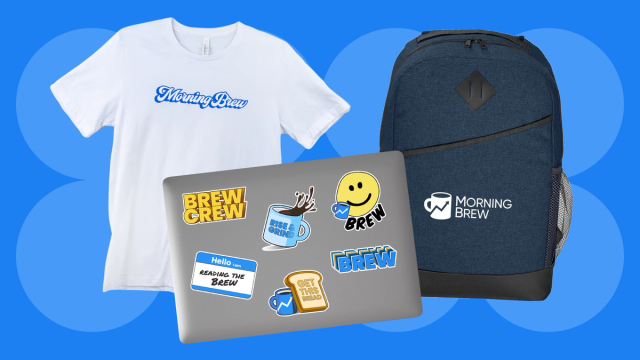
Share Healthcare Brew with your coworkers, acquire free Brew swag, and then make new friends as a result of your fresh Brew swag.

We're saying we'll give you free stuff and more friends if you share a link. One link.

Your referral count: 5

Click to Share

Or copy & paste your referral link to others:
https://www.healthcare-brew.com/r?kid=9ec4d467

         
ADVERTISE // CAREERS // SHOP // FAQ

Update your email preferences or unsubscribe here.
View our privacy policy here.

Copyright © 2025 Morning Brew Inc. All rights reserved.
22 W 19th St, 4th Floor, New York, NY 10011

Navigate the healthcare industry

Healthcare Brew covers pharmaceutical developments, health startups, the latest tech, and how it impacts hospitals and providers to keep administrators and providers informed.

By subscribing, you accept our Terms & Privacy Policy.

A mobile phone scrolling a newsletter issue of Healthcare Brew