Hey Siri, am I sick?
To:Brew Readers
Healthcare Brew // Morning Brew // Update
The newest AI development from Microsoft Health helps personalize and interpret patient health data.

Just can’t catch a break? You and compounded drugs might have something in common. After Novo Nordisk and Hims & Hers finally squashed their beef (allegedly), now Eli Lilly has released a letter last week with test results claiming “significant levels of an impurity” in compounded GLP-1s.

In today’s edition:

More Microsoft AI news

What’s next for DTC?

Prior auth, minus the migraine

—Maia Anderson, Caroline Catherman

AI

Photo of a phone screen that says Copilot Health at the top and then Welcome to Copilot Health with additional text about how the platform works

Microsoft Health

Microsoft is making yet another advance into healthcare AI, launching a new platform called Copilot Health designed to help patients make sense of their health information.

The AI platform gathers data from wearables including Apple Watches and Oura rings, and pulls users’ medical records and lab results into one place, according to the Thursday announcement, leveraging all that data to give users a “coherent” picture of their health.

“Fifty million people every day come to Microsoft with health questions,” Dominic King, VP of health at Microsoft AI, said during a press briefing. “Our belief is that a true health companion needs to do more than general answers. It needs to draw on your health information in context.”

However, not everyone can use Copilot Health just yet. Microsoft opened a waitlist for the platform on March 12, with plans to open access up to the wider public once the company makes sure “everything is working as smoothly and as well as possible.”

King didn’t specify how many people would be able to join the waitlist or how long it would take users on the list to gain access to Copilot Health, though he said it would happen “relatively quickly.”

This update brings Microsoft among other Big Tech fellows.—MA

From The Crew

PHARMA

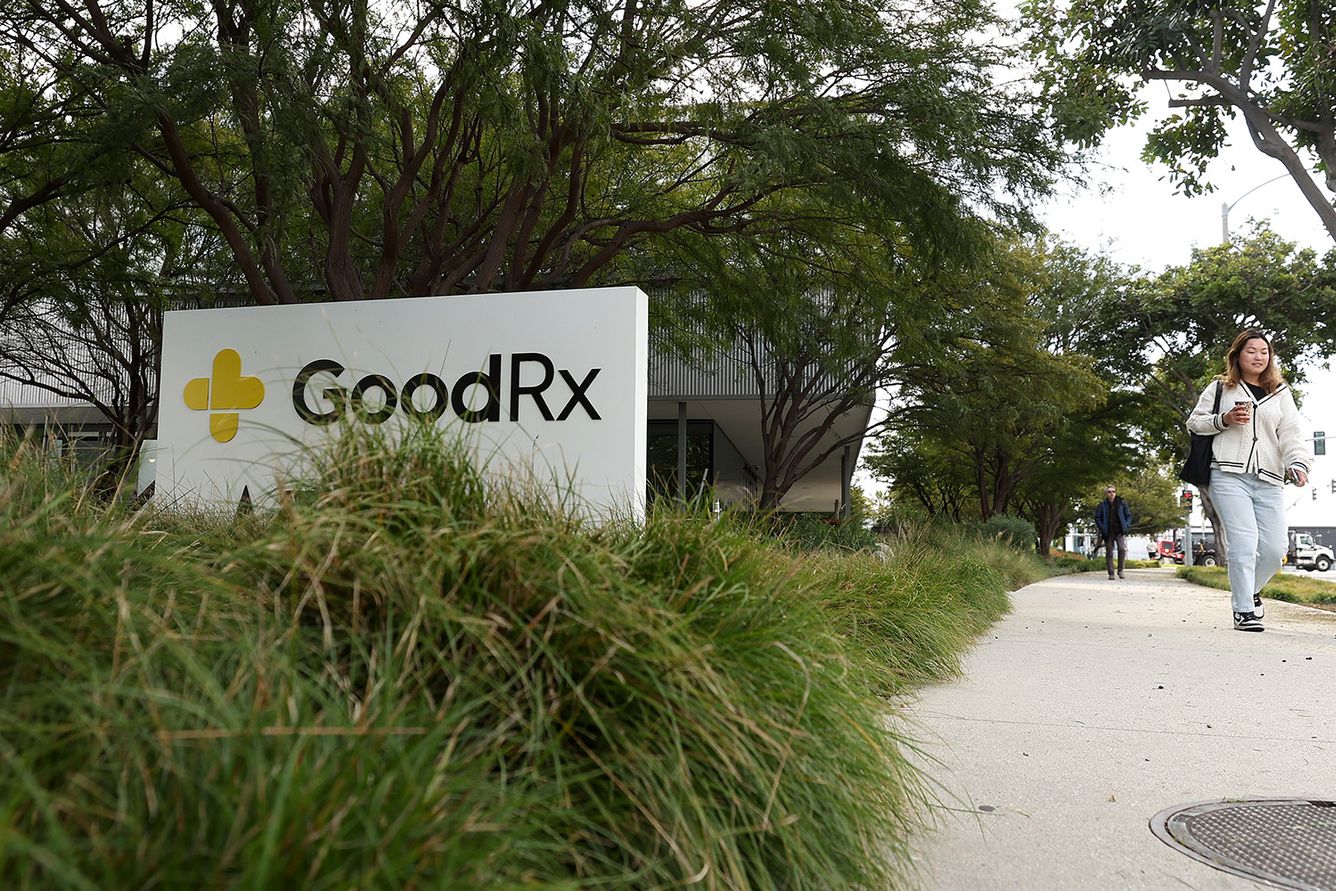
A sign is posted in front of GoodRX headquarters.

Getty Images

Over the last few years, the pharmaceutical industry has gone all in on direct-to-consumer (DTC) cash-pay sales for drugs that widely lack health insurance coverage.

Now, pharma is taking it to the next level by going direct to employer.

Eli Lilly launched its Employer Connect platform on March 5, which gives employers their choice of 15+ independent program administrators and pharmacies where they can access its GLP-1 Zepbound Kwikpen for a reduced price of $449 for all doses. A press release touts it as an option offering “greater cost predictability and transparency.”

In related news, GoodRx, one of Employer Connect’s program administrators, announced its own expansion into the employer market on Feb. 24: GoodRx Employer Direct. Though GoodRx is initially focusing on GLP-1s, this new approach is related to a wider change in how healthcare is delivered and paid for, Julia Croxen, VP of strategy consulting at venture fund and advisory firm Rock Health, told Healthcare Brew.

“It makes sense as an evolution of the direct-to-patient or direct-to-consumer model,” she said.

Here’s how the new model works.—CC

STARTUPS

Headshot of Silna Health CEO Jeffrey Morelli

Silna Health

Each week, we schedule our rounds with Healthcare Brew readers. Want to be featured in an upcoming edition? Click here to introduce yourself.

Within the often-frustrating world of prior authorization, providers and payers alike have turned to AI tools for help.

One of the companies in this space, Silna Health, automates prior authorizations and other health insurance-related tasks for clinicians. The startup was founded in 2023 and has raised $27 million from funders like investment bank Bain Capital Ventures and venture capital firm Accel.

Healthcare Brew talked to Silna’s Co-founder and CEO Jeff Morelli about what it takes to lead a healthcare AI startup.

See the full conversation here.—CC

Together With Vanderbilt

VITAL SIGNS

A laptop tracking vital signs is placed on rolling medical equipment.

Francis Scialabba

Today’s top healthcare reads.

Stat: 30%. That’s how many US residents (82 million people) are making cuts or borrowing money to pay for healthcare. (the New York Times)

Quote: “Before state legislatures start doing the really awful, terrible things we know they’re going to do—kicking people off the program, limiting benefits—the hope is that AI can generate some efficiencies and give us some savings and allow us to maintain some of that, even in a resource-strapped environment.”—David Ford, CEO of CMA Physician Services, on how safety-net providers are trying to use new tech to address Medicaid cuts (Healthcare Dive)

Read: How veterans are losing mental health coverage under the Trump administration. (ProPublica)

SHARE THE BREW

Share the Brew

Share the Brew, watch your referral count climb, and unlock brag-worthy swag.

Your friends get smarter. You get rewarded. Win-win.

Your referral count: 5

Click to Share

Or copy & paste your referral link to others:
healthcare-brew.com/r/?kid=9ec4d467

         
ADVERTISE // CAREERS // SHOP // FAQ

Update your email preferences or unsubscribe here.
View our privacy policy here.

Copyright © 2026 Morning Brew Inc. All rights reserved.
22 W 19th St, 4th Floor, New York, NY 10011

Navigate the healthcare industry

Healthcare Brew covers pharmaceutical developments, health startups, the latest tech, and how it impacts hospitals and providers to keep administrators and providers informed.

By subscribing, you accept our Terms & Privacy Policy.

A mobile phone scrolling a newsletter issue of Healthcare Brew