Goodbye simufilam
To:Brew Readers
Healthcare Brew // Morning Brew // Update
Inside the fall of a once-promising Alzheimer’s drug.

Friyayyy! In case you missed it, GSK (formerly GlaxoSmithKline) on Monday shared good news about its effort to treat multiple myeloma, a common blood cancer that currently has no accepted cure. An interim analysis suggested that the pharma giant’s drug, Blenrep, reduced the risk of death by 42% in combination with other drugs.

In today’s edition:

Sayonara, simufilam

Obstetrics closures

🩻 This month’s FDA recalls

—Caroline Catherman, Cassie McGrath

PHARMA

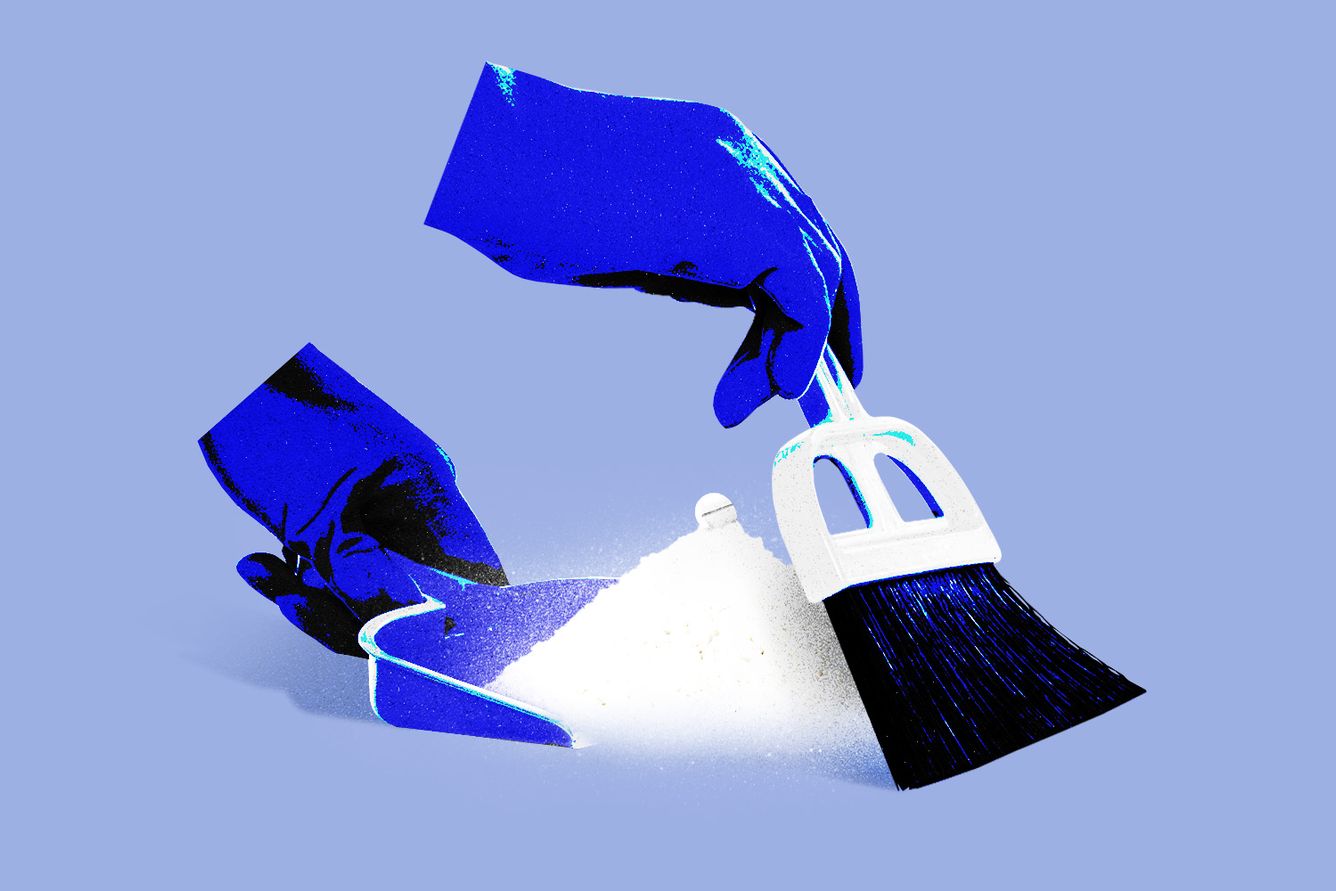
Hands sweeping simufilam into dust pan.

Illustration: Anna Kim, Photos: Adobe Stock

An upcoming Alzheimer’s drug that garnered millions in federal funding has officially been put to bed.

Biopharmaceutical company Cassava Sciences announced on November 25 that it had discontinued its Phase 3 clinical trial of drug simufilam. The randomized, double-blind trial found no statistically significant change in patient cognition or function—its co-primary endpoints—after 52 weeks when comparing a 403-person experimental group to a 401-placebo group of people with mild to moderate Alzheimer’s.

“The results are disappointing for patients and their families who are living with this disease and physicians who’ve been looking for novel treatment options,” Cassava President and CEO Rick Barry said in a webcast following the announcement.

This was the yearslong conclusion of a gradual fall from grace for a drug built on research that allegedly contained falsified data.

The Austin, Texas-based company’s stock dropped (alongside hopes for the drug) from $26.65 a share when markets closed November 22—prior to the results—to $4.02 when they reopened on November 25.

Keep reading here.—CC

Presented By Net Health

MATERNAL HEALTH

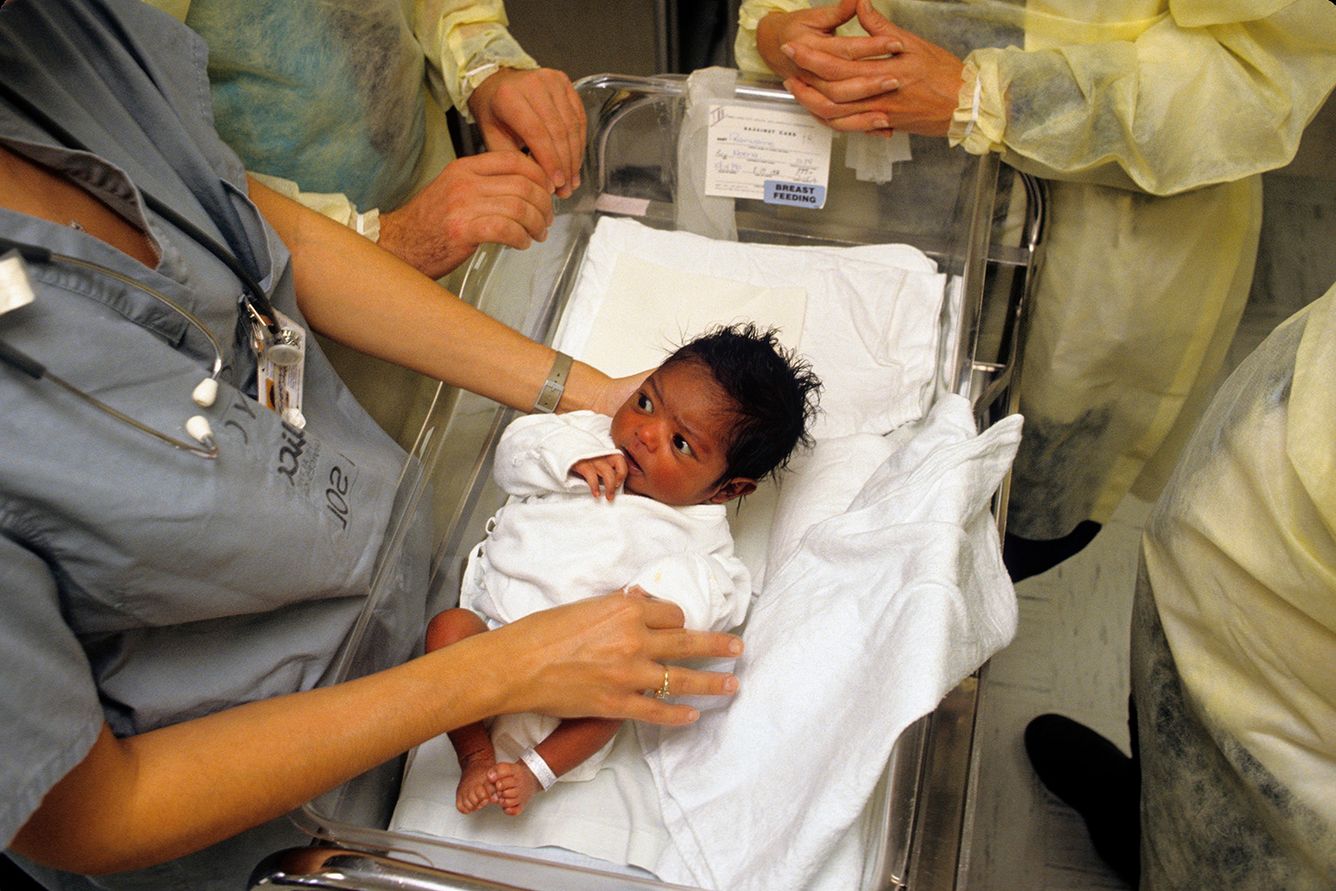
A newborn baby is presented while still in the intensive care unit.

Viviane Moos/Getty Images

Birthing care at hospitals is dwindling in the US, as 530 hospitals have closed their obstetrics units between 2010 and 2022.

That’s according to a new study out of the University of Minnesota School of Public Health published in JAMA on December 4.

In 2010, 35.2% (1,679 out of 4,768) of all hospitals in the US didn’t have obstetrics, but by 2022, that shot up to 42.4% (1,966 out of 4,639), with the worst effects felt in rural communities, according to the study.

“Rural hospitals not only started with fewer obstetric services but also experienced more severe losses over time, leaving rural residents with fewer options and longer distances to travel—often at times when patients are in urgent need of timely care,” lead author Katy Kozhimannil said in a December 4 press release.

Keep reading here.—CM

FDA

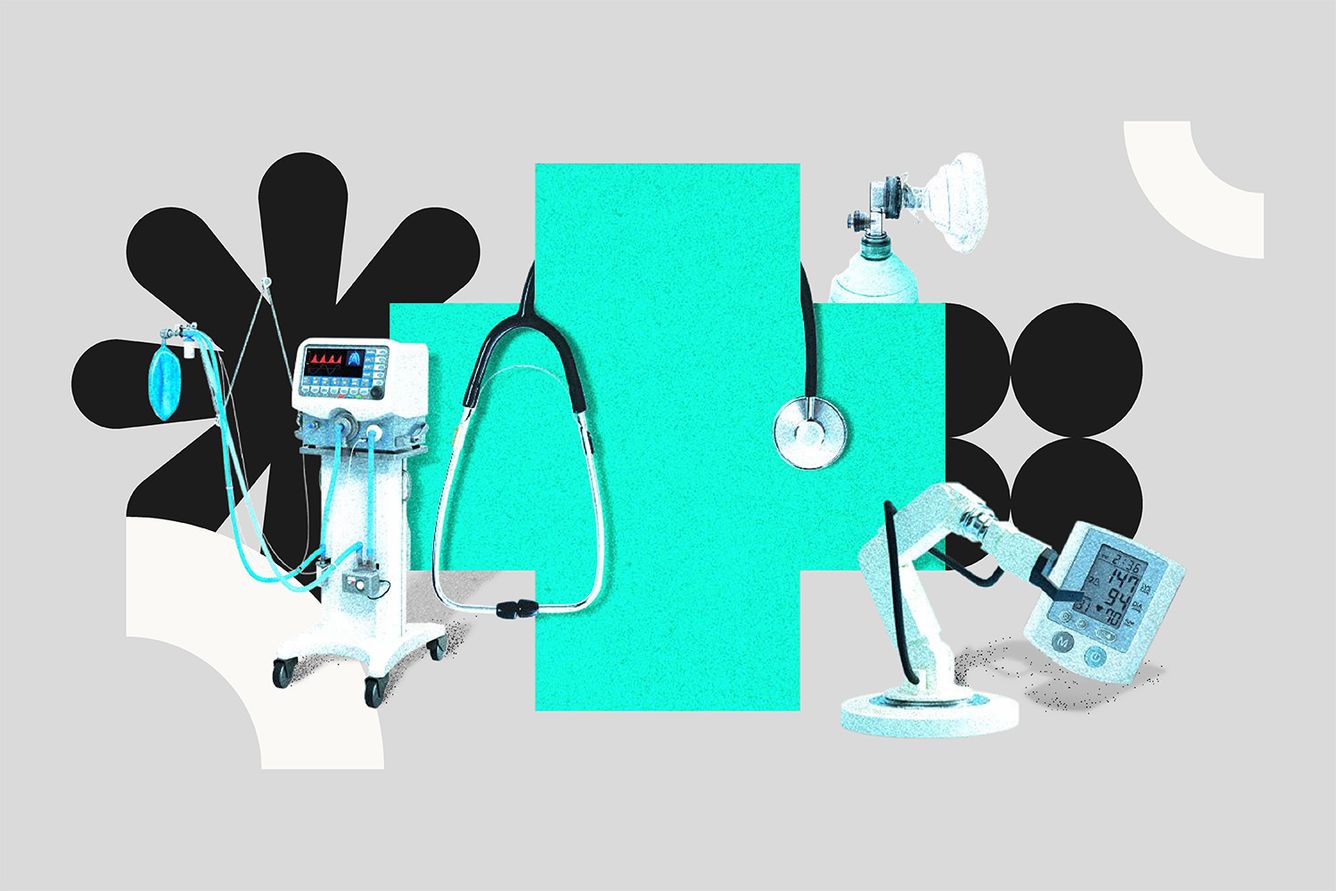
assortment of various medical devices around a teal healthcare symbol

Illustration: Anna Kim, Photo: Adobe Stock

Welcome to Recall Roundup, where we’ll keep you updated on medical device recalls and corrections that the FDA reported over the last month.

Recalls and corrections range from the least dangerous, Class III—which means a product violates FDA law but is “not likely” to be a health hazard—to the most serious in Class I, which means the product poses a high risk of serious injury or death.

The agency posts a list of Class I recalls on its website after the manufacturer takes action. During November, the FDA posted nine Class 1 medical device recalls on its page, including the following.

Anesthesia machine correction. The FDA warned on November 19 that Atlan A350 and Atlan 350XL anesthesia workstations, made by Draeger, have a manufacturing error that could cause mechanical ventilation to fail while they’re in use. Draeger told providers on October 15 to supervise these machines and ventilate patients manually if the machine fails. The company’s October notice said a representative would be in touch with providers for ventilator motor assembly replacement.

Battery pack correction. The FDA reported November 19 that Smiths Medical CADD-Solis rechargeable battery packs can short and melt the pack casing, leaving the battery unchargeable. Smiths Medical urged users on July 16 to check their battery packs—a backup power source for the CADD-Solis ambulatory infusion pump—and report any damage.

Keep reading here.—CC

Together With Indeed - Careers in Care

VITAL SIGNS

A laptop tracking vital signs is placed on rolling medical equipment.

Francis Scialabba

Today’s top healthcare reads.

Stat: 50+. That’s how many cases of bird flu have been reported in the US in 2024. One potential risk factor? Raw milk, some officials say, though no cases have been definitively linked to it. (CBS)

Quote: “No matter the individual, no matter the manifestations of the disability, there are ways to address it that don’t require the use of an electric shock.”—Eric Buehlmann, deputy executive director for public policy at the National Disability Rights Network, on the use of electric shock devices to reduce self-injurious or aggressive behavior (Stat)

Read: The US Preventive Services Task Force drafted a new recommendation that would allow people assigned female at birth to use a kit for self-administering pap smears in the doctor’s office. (the New York Times)

Learn to lead: Watch Net Health’s on-demand webinar for lessons on leadership from Will Humphreys, CEO of Virtual Rockstar. Learn how to build a positive work environment + empower your team to grow.*

*A message from our sponsor.

SHARE THE BREW

Share Healthcare Brew with your coworkers, acquire free Brew swag, and then make new friends as a result of your fresh Brew swag.

We're saying we'll give you free stuff and more friends if you share a link. One link.

Your referral count: 5

Click to Share

Or copy & paste your referral link to others:
https://www.healthcare-brew.com/r?kid=9ec4d467

         
ADVERTISE // CAREERS // SHOP // FAQ

Update your email preferences or unsubscribe here.
View our privacy policy here.

Copyright © 2025 Morning Brew Inc. All rights reserved.
22 W 19th St, 4th Floor, New York, NY 10011

Navigate the healthcare industry

Healthcare Brew covers pharmaceutical developments, health startups, the latest tech, and how it impacts hospitals and providers to keep administrators and providers informed.

By subscribing, you accept our Terms & Privacy Policy.

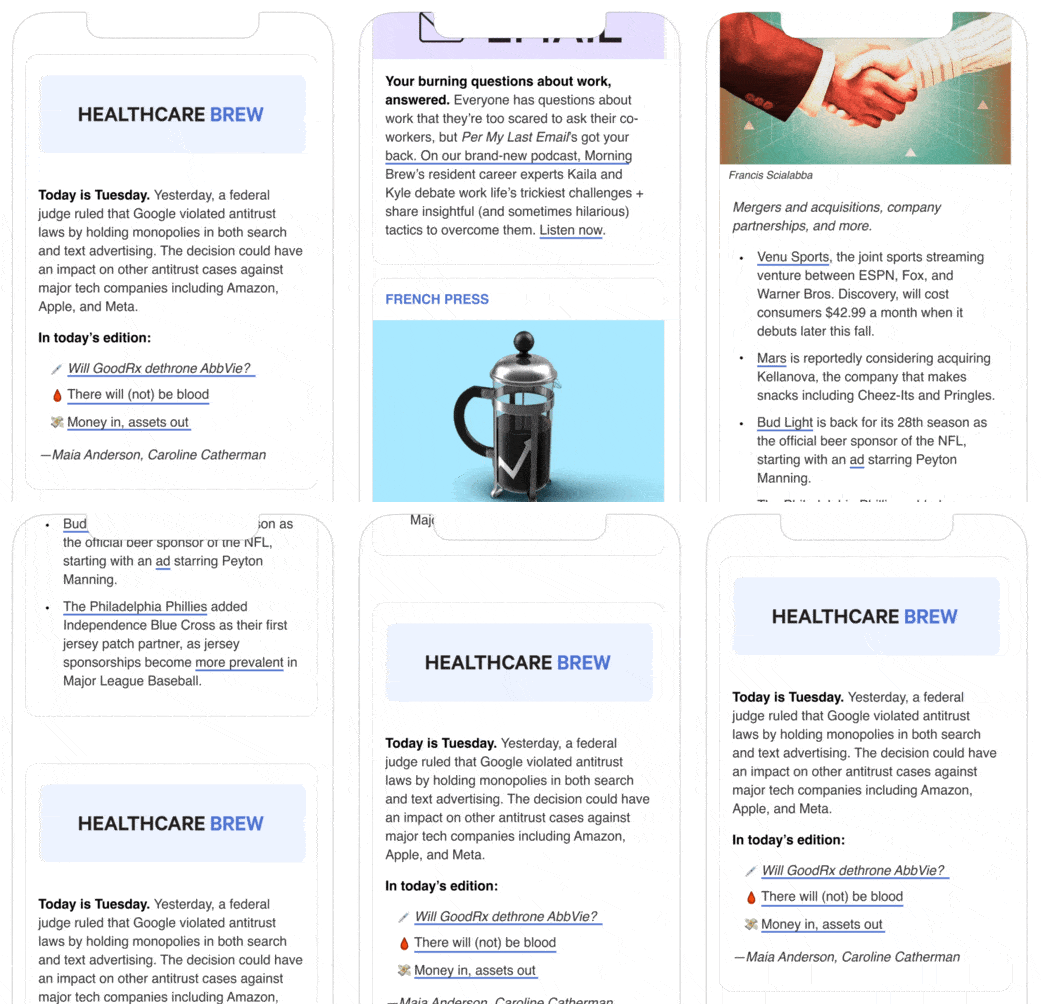
A mobile phone scrolling a newsletter issue of Healthcare Brew