Digitally therapeutic
To:Brew Readers
Healthcare Brew // Morning Brew // Update
Proposed CMS codes could be a boom for the digital therapeutics industry.

Welcome to Wednesday. A word of caution for those of you who may be headed to a deli counter sometime soon: The CDC has reported an outbreak of listeria, a foodborne bacterial illness that’s been linked to grocery store deli meats in at least a dozen states. The agency has warned that people who are pregnant, age 65+, or have weakened immune systems should avoid eating cold cuts for the time being, unless the meats are reheated to at least 165 degrees first.

In today’s edition:

Payment codes proposed

Off-site care boom

Going up, up, up

—Maia Anderson, Cassie McGrath

PAYERS

An image of a red cross, pill bottles, and health carts surrounding a phone.

Francis Scialabba

The Centers for Medicare and Medicaid Services (CMS) proposed CPT payment codes for some digital therapeutics products for the first time, potentially paving a pathway toward widespread reimbursement for the nascent industry.

Digital therapeutics are software products physicians and patients can use to prevent, manage, or treat certain diseases and disorders. For example, digital therapeutics company Freespira created a virtual treatment that offers breathing exercises for patients who experience panic attacks and post-traumatic stress disorder symptoms.

CPT codes let providers bill for providing medical services and procedures. In 2022, CMS introduced a different type of code, called a Level II HCPCs code, for behavioral health digital therapeutics. Level II HCPCs codes mainly apply to Medicare and Medicaid, while CPT codes apply to all payers, so the CPT codes open digital therapeutics up to much more widespread coverage.

The codes were included in CMS’s 2025 Medicare Physician Fee Schedule (PFS) proposed rule, which was released on July 10 and applies only to digital therapeutics that support treatment for specific mental health conditions.

Keep reading here.—MA

PRESENTED BY THOROPASS

There’s no need to explain the importance of security to healthcare companies. But while we’re on the topic…how’s your security posture looking?

With this ebook by Thoropass and HITRUST, you can get tangible advice on how to build and bolster your risk management.

Think of it as a strategic guide for developing a successful security posture while helping manage third-party risk. It reveals key info about third-party risk management (aka TPRM), such as:

  • how to set the foundation for TPRM
  • why the old TPRM is broken
  • what best practices can enhance TPRM
  • how to build an organizational culture focused on risk management

We’ve seen what happens when security posture is slackin’. Use this ebook to help elevate yours.

EMERGENCY CARE

green hospital emergency sign hooked into a smaller green plus sign

Francis Scialabba

You’ve heard of an emergency department and an urgent care center, but have you heard of a freestanding emergency department (FSED)?

When Darya Herscovici, now a resident physician at UMass Chan Medical School, worked as a senior research coordinator with Massachusetts General Hospital in Boston and Harvard University’s Emergency Medicine Network, she conducted research on FSEDs as an undergraduate student at UMass Amherst.

“I became really interested in freestanding emergency departments. It was really difficult to track them down,” she told Healthcare Brew. “So we decided to kind of dig a little deeper to more clearly define them.”

While only 1% of FSEDs were freestanding in 2001, that figure jumped to 11% in 2016, totaling 566 facilities nationwide.

The concept of FSEDs dates back to the 1970s, when these facilities provided emergency care to people in rural areas who didn’t have convenient access to hospitals. In 2001, there were only 50 FSEDs in the US—now there are about 745, according to 2018 research by the Emergency Medicine Network, which Herscovici worked on.

Keep reading here.—CM

TOGETHER WITH HSBC

Bank on it. One thing about innovation? It’s unpredictable. That’s why at HSBC, innovation is built into their banking model. HSBC Innovation Banking works to foster a seamless, efficient onboarding process for all clients to ensure they’re able to work on their goals, mission, and financial breakthroughs so much faster. Learn more.

HOSPITALS

A air pump blowing up a gold balloon the shape of a dollar sign.

Andriy Onufriyenko/Getty Images

Bad news for clinicians: The cost to provide care is only going to go up next year, experts project.

In 2025, medical costs are projected to increase 8% in the group market and 7.5% in the individual market—the highest levels seen in 13 years—according to an analysis from consulting firm PwC’s Health Research Institute. The anticipated rise is mainly pinned on inflationary pressure, expensive pharmaceuticals, and an increasing number of patients seeking mental health care, analysts found.

PwC analysts surveyed actuaries at more than 20 US health plans to estimate 2025’s medical cost trend, which the researchers define as the percentage that the cost to treat patients is projected to increase if insurance benefits stay the same.

“The same inflationary pressure the healthcare industry has felt since 2022 is expected to persist into 2025, as providers look for margin growth and work to recoup rising operating expenses through health plan contracts,” PwC analysts wrote.

Keep reading here.—MA

VITAL SIGNS

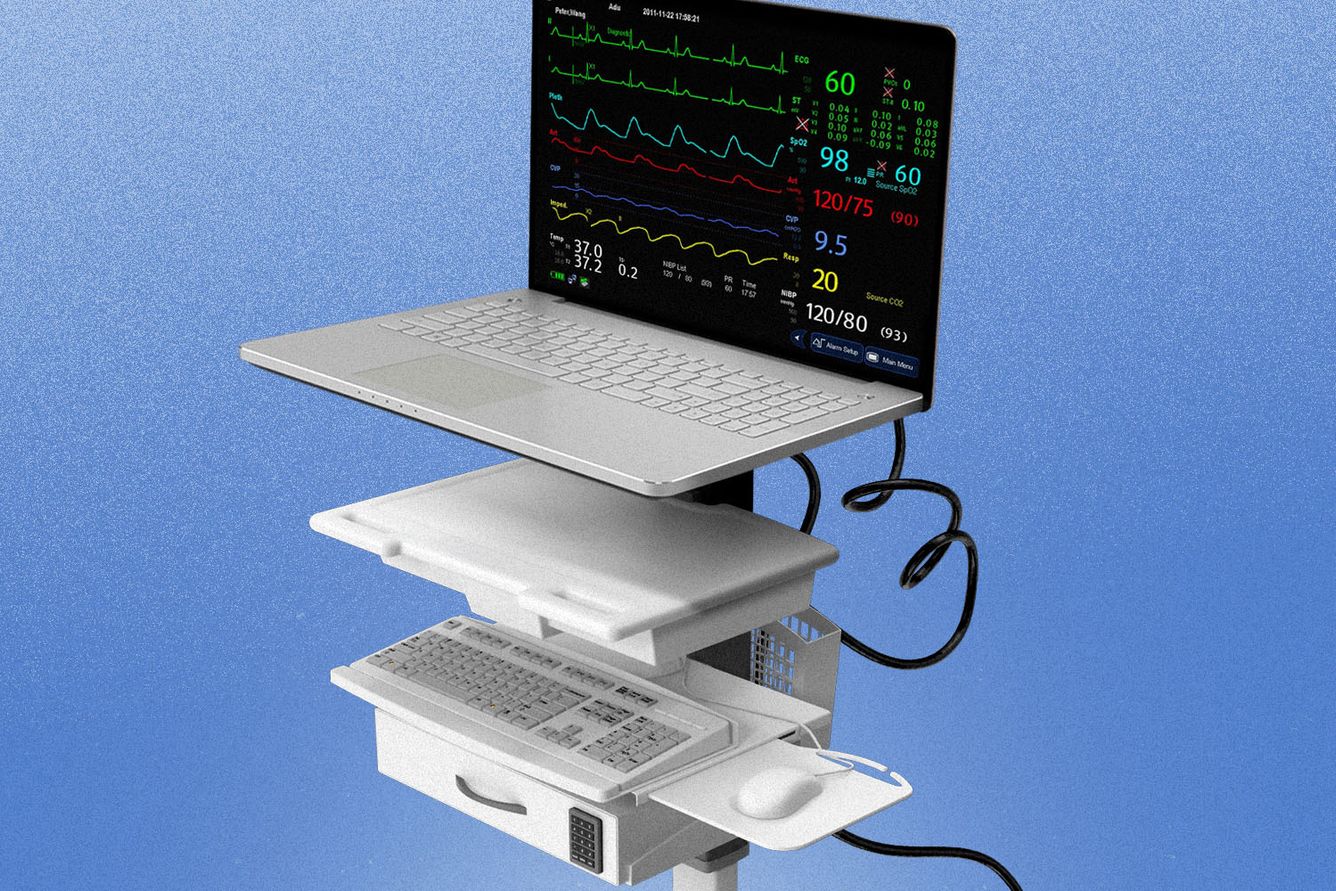
A laptop tracking vital signs is placed on rolling medical equipment.

Francis Scialabba

Today’s top healthcare reads.

Stat: 1,400. That’s how many people were included in a study that found chronic constipation may be linked to decreased kidney function, while pooping four or more times a day may be linked to impaired liver function. (NBC News)

Quote: “It was just as big a disaster as we thought it was going to be.”—Christopher Oermann, a pediatric pulmonologist at Children’s Mercy Kansas City, on drugmaker GSK discontinuing asthma inhaler Flovent (NPR)

Read: Where Kamala Harris stands on healthcare issues, including abortion rights and drug pricing. (Stat)

Expert explainer: Get a simple breakdown for managing third-party risk in this ebook. Created by Thoropass and HITRUST, it shows you how to execute third-party risk management from some of the best in the biz.*

*A message from our sponsor.

JOBS

Real jobs, shared through real communities. CollabWORK brings opportunities directly to Healthcare Brew readers—no mass postings, no clutter, just roles worth seeing. Click here to view the full job board.

SHARE THE BREW

Share Healthcare Brew with your coworkers, acquire free Brew swag, and then make new friends as a result of your fresh Brew swag.

We're saying we'll give you free stuff and more friends if you share a link. One link.

Your referral count: 5

Click to Share

Or copy & paste your referral link to others:
https://www.healthcare-brew.com/r?kid=9ec4d467

         
ADVERTISE // CAREERS // SHOP // FAQ

Update your email preferences or unsubscribe here.
View our privacy policy here.

Copyright © 2025 Morning Brew Inc. All rights reserved.
22 W 19th St, 4th Floor, New York, NY 10011

Navigate the healthcare industry

Healthcare Brew covers pharmaceutical developments, health startups, the latest tech, and how it impacts hospitals and providers to keep administrators and providers informed.

By subscribing, you accept our Terms & Privacy Policy.

A mobile phone scrolling a newsletter issue of Healthcare Brew