Big Tech eyes healthcare
To:Brew Readers
Healthcare Brew // Morning Brew // Update
The first of a series in which we’ll be analyzing how major tech companies are making moves in healthcare.

It’s Women’s History Month, meaning we’re celebrating all the hardworking women in healthcare. Though there are still strides to be made in terms of representation in the industry, reporting from McKinsey shows women in healthcare are generally pretty happy with their jobs and the work they get to do.


In today’s edition:

Big Tech's healthcare moves: Microsoft edition

Elevance’s flash drive fiasco

Making Rounds with Tennr

—Patrick Kulp, Cassie McGrath, Caroline Catherman

TECH

Microsoft logo with healthcare workers

Morning Brew Design, Photos: Adobe Stock, Microsoft

While ambulance chasing is typically associated with the legal profession, now, between a cohort of medically minded copilots and new tools for doctors and nurses, Big Tech companies seem to be racing toward hospitals.

A top player in this sprint is Microsoft, which has edged into health systems already with its enterprise and cloud chops coupled with key partnerships and acquisitions. Meanwhile, the company sees patient-facing health use cases as a chance to differentiate its comparatively fledgling consumer AI business in a crowded space.

As part of a new series on Big Tech’s encroachment into healthcare, we’re taking a look at Microsoft’s strategy and what it means for both the tech and the healthcare industries.

A longtime priority. Since the early days of AI invading the public consciousness, Microsoft has been clear that healthcare was a critical focus for its AI ambitions. “AI is technology’s most important priority, and healthcare is its most urgent application,” Microsoft CEO Satya Nadella said in a statement announcing the 2021 purchase of Nuance, a medical transcription company that remains Microsoft’s third biggest acquisition ever at around $16 billion.

Check out the first in a series on Big Tech’s healthcare ambitions.—PK

From The Crew

PAYERS

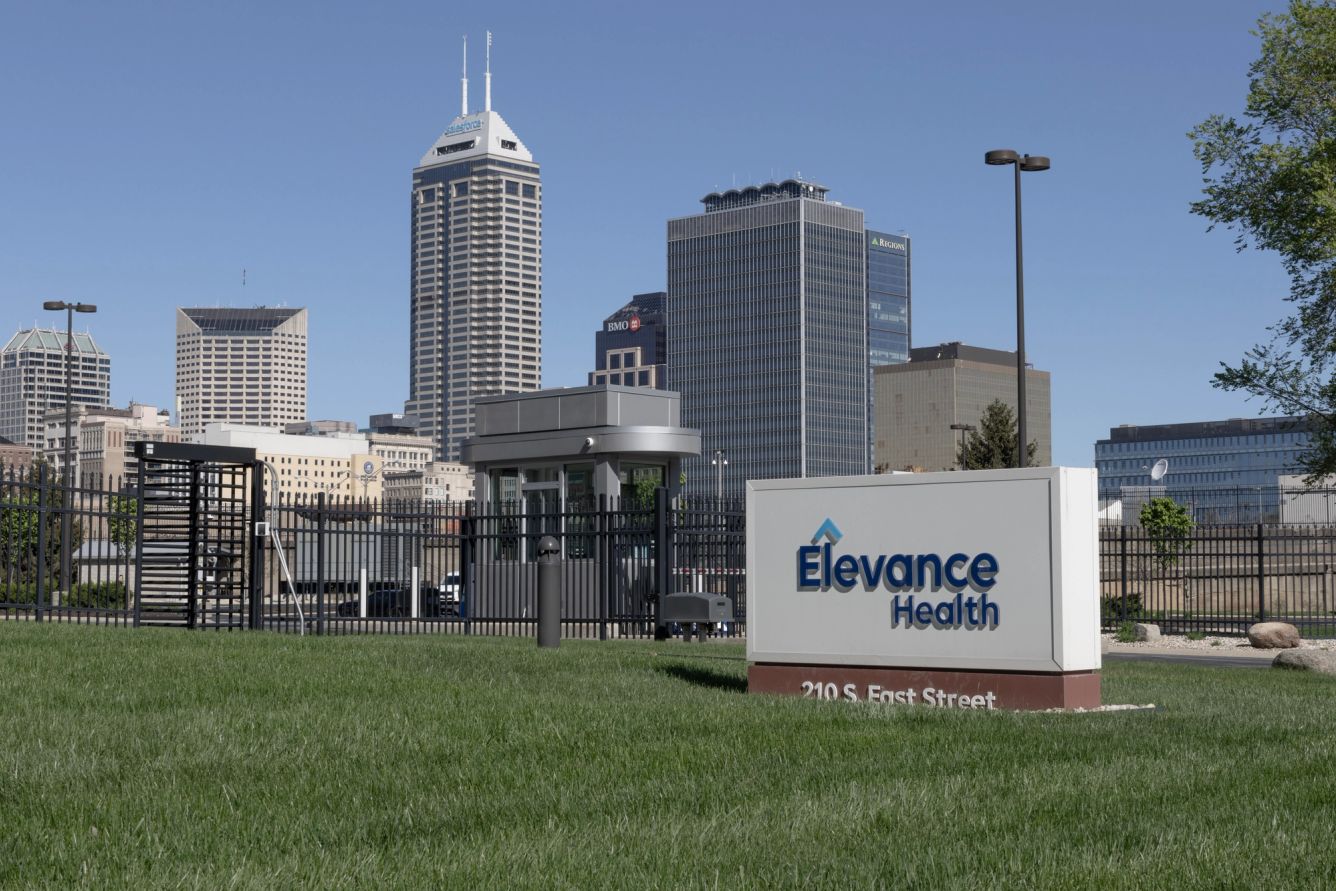
Elevance Health world headquarters. Elevance Health is a health insurance provider, formerly known as Anthem Insurance.

Jetcityimage/Getty Images

CMS and Elevance are playing a game of Risk.

In a Feb. 27 letter, the federal regulator threatened sanctions that would be effective March 31—including freezing new Medicare Advantage Prescription Drug (MA-PD) plan enrollment—in response to the payer’s alleged “substantial and persistent noncompliance” with Center for Medicare and Medicaid Services (CMS) rules.

The letter claims Elevance hasn’t been properly uploading necessary data to calculate patient risk scores, a metric that determines the size of government payments to MA plans. Elevance allegedly didn’t report or return associated overpayments, either.

“Elevance’s conduct demonstrates a pattern of knowing noncompliance that has persisted for over seven years despite repeated clear directives from CMS,” the letter reads.

These CMS sanctions come a month after the agency released lower-than-expected MA payment rates for 2027 alongside a proposed adjustment to how risk-based payments will be calculated. Both moves upset plan carriers but excited reform advocates.

But Elevance is also trying to cut its MA enrollment.—CC

AI

Tennr's William H. Morris, chief medical officer

Tennr

Each week, we schedule our rounds with Healthcare Brew readers. Want to be featured in an upcoming edition? Click here to introduce yourself.

William Morris has had a lot of jobs: hospitalist, chief innovation officer at Cleveland Clinic, chief medical officer (CMO) at both Google Cloud and AI scribe company Ambience.

But Morris has a new gig as of January: CMO at health tech Tennr, which is using AI to streamline documentation and prior authorization, automate referrals, and prevent denials. The company was valued at $605 million after its most recent $101 million Series C fundraise in June.

Morris spoke with Healthcare Brew about why he joined a startup after years in legacy healthcare and why he’s excited about Tennr’s technology.

See the full conversation here.—CM

Together With Thermo Fisher Scientific

VITAL SIGNS

A laptop tracking vital signs is placed on rolling medical equipment.

Francis Scialabba

Today’s top healthcare reads.

Stat: 67%. That’s how many people in a poll of 1,650 US adults reported confidence in career scientists working at federal health agencies, compared with 43% confidence in agency leaders overall. (Annenberg Public Policy Center of the University of Pennsylvania)

Quote: “Some are going to benefit, and others—probably the majority—won’t. Is it the greatest thing in the healthcare world? Clearly no.”—Michelle Long, senior policy manager at KFF’s patient and consumer protections program, on one month of TrumpRx and how it’s falling short of expectations (Stat)

Read: Why rare disease patients are upset with the FDA over drug denials. (the New York Times)

SHARE THE BREW

Share the Brew

Share the Brew, watch your referral count climb, and unlock brag-worthy swag.

Your friends get smarter. You get rewarded. Win-win.

Your referral count: 5

Click to Share

Or copy & paste your referral link to others:
healthcare-brew.com/r/?kid=9ec4d467

         
ADVERTISE // CAREERS // SHOP // FAQ

Update your email preferences or unsubscribe here.
View our privacy policy here.

Copyright © 2026 Morning Brew Inc. All rights reserved.
22 W 19th St, 4th Floor, New York, NY 10011

Navigate the healthcare industry

Healthcare Brew covers pharmaceutical developments, health startups, the latest tech, and how it impacts hospitals and providers to keep administrators and providers informed.

By subscribing, you accept our Terms & Privacy Policy.

A mobile phone scrolling a newsletter issue of Healthcare Brew