|
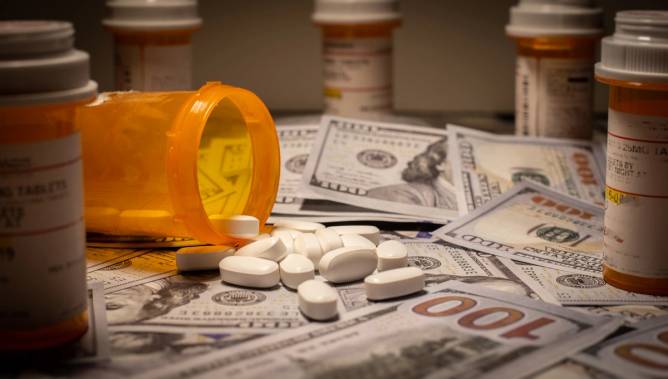
When it comes to cereal, more people probably prefer brand-name boxes over their generic cousins. But when it comes to the medicine cabinet, generic drugs save consumers a lot of cash.
Generic drugs are functionally the same as brand-name drugs, but they’re cheaper to make and therefore cost consumers less. Per the FDA, generics drive overall drug costs down, making medicines more accessible to people who need them, and easier for payers to cover.
But, there are several factors that make it hard for generic drugs to get approval, and one in particular plays a big role in delaying generics from hitting the market, according to researchers from the Brookings Schaeffer Initiative on Health Policy (Brookings Schaeffer Initiative). That factor is citizen petitions.
A lack of generic competition, due to the delays caused by citizen petitions, has major economic consequences. A 2020 study from the University of California San Francisco estimated that the “cost to society” of what the researchers described as four “baseless” citizen petitions delaying generic competition totaled $1.9 billion, with $782 million falling on government payers during two one-year periods (2008 and 2012).
What’s a citizen petition? Keep reading here.—MA
Do you work in healthcare or have information about the industry that we should know? Email Maia at [email protected]. For confidential conversations, ask Maia for her number on Signal.
|