A $50b glow-up
To:Brew Readers
Healthcare Brew // Morning Brew // Update
Answering some of the most common Rural Health Transformation Program questions.

It’s been 84 six years…since the Covid-19 became a global health emergency. While many things have gone back to pre-pandemic norms, there are a lot of areas that seem to have been permanently altered, like lower staffing levels in hospitals, providers struggling with burnout, and the things we can’t unlearn about how those around us deal with health emergencies.

In today’s edition:

Answering rural health questions

🩺 ChatGPT Health’s check-up

One Big Beautiful Budget Cut

—Maia Anderson, Caroline Catherman

RURAL HEALTH

A hospital in a rural location

Amelia Kinsinger

In response to fears from some Republican lawmakers that Medicaid cuts included in President Trump’s One Big Beautiful Bill (OBBB) Act would lose rural constituent support, Congress created the Rural Health Transformation Program.

Under the program, the Centers for Medicare and Medicaid Services (CMS) agreed to pay states $50 billion over the course of five years (2026 to 2030) to use toward improving their rural healthcare systems.

However, despite a common misconception that the money will go straight to rural hospitals, which notoriously operate on small margins, only a portion of the fund (15%) will go to hospitals for patient care. Instead, a majority of the money is intended to go toward initiatives like bringing health tech into rural facilities.

Keep reading to hopefully clear up some confusion.—MA

From The Crew

AI

robotic hand holding stethoscope (concepts of AI medical care)

Getty Images

It’s been more than two months since OpenAI launched ChatGPT Health, and the results are in. They’re…not great.

A Feb. 23 study in Nature Medicine found the patient-facing chatbot didn’t tell users to go to the emergency room (ER) in 52% of cases that clinicians felt required emergency attention.

The study is described by its authors as the first independent evaluation of the patient-facing chatbot search tool since its Jan. 7 launch. A previous study from the UK with a different design found regular (non-health-focused) large language models triaged users incorrectly the majority of the time, too.

For what it’s worth, OpenAI said in a news release ChatGPT Health “isn’t intended for diagnosis or treatment.” But Girish Nadkarni, the study’s senior author and chief AI officer at New York’s Mount Sinai Health System, told Healthcare Brew “the need for these tools is real” amid limited healthcare access. And even though AI isn’t meant to be used this way, it realistically will be, he added.

For more on the study, keep reading.—CC

MEDICAID

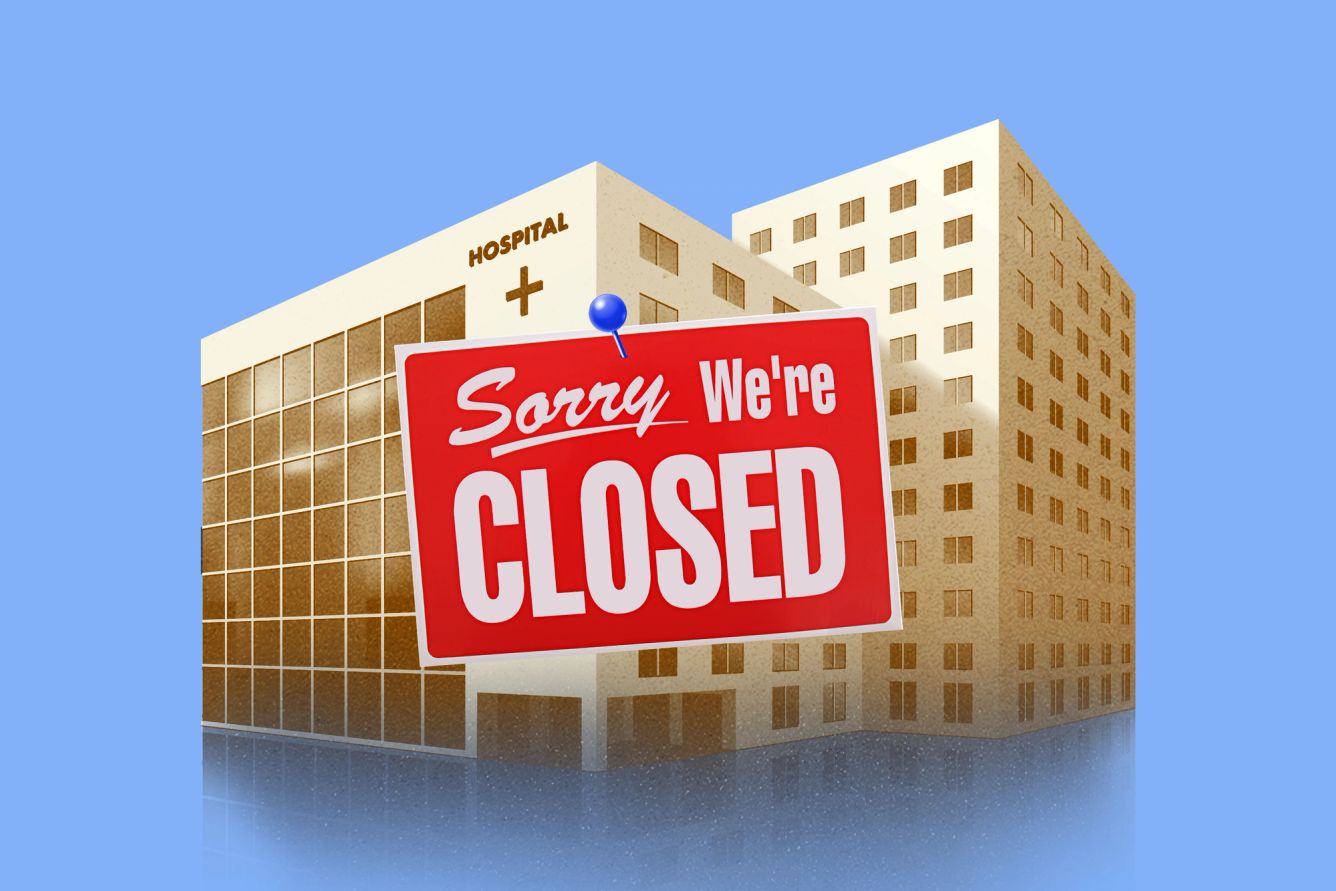
Illustration of a hospital with a "sorry we're closed" sign in front of it

Illustration: Brittany Holloway-Brown, Photos: Adobe Stock

As part of the One Big Beautiful Bill (OBBB) Act President Trump signed into law last July 4, state Medicaid budgets are going to be significantly slashed beginning in 2027.

An analysis from research institute Rand Corporation published Feb. 26 estimated that state Medicaid budgets will be reduced by a total of $665 billion between 2025 and 2034.

But not all states will feel the effects equally.

Those that will see the sharpest budget declines, according to Rand, are Medicaid expansion states that use significant state-directed payments (which require managed care organizations to give higher reimbursement rates to Medicaid providers) and provider taxes (which are imposed on hospitals and other Medicaid facilities to help fund the state’s portion of the federal payer’s cost). Such states include Arizona, Iowa, and Nevada, which are set to see an estimated 15% of their budgets cut due to the OBBB, Rand estimated.

Though not every state is expected to see cuts.—MA

VITAL SIGNS

A laptop tracking vital signs is placed on rolling medical equipment.

Francis Scialabba

Today’s top healthcare reads.

Stat: 3. That’s how many new drugs have been added to the TrumpRx platform since launching in January. (NBC News)

Quote: “It would increase spending, increase costs to taxpayers and the premiums that beneficiaries pay.”—Jeannie Fuglesten Biniek, associate director of KFF’s Program on Medicare Policy, on CMS’s consideration to automatically enroll seniors into Medicare Advantage (Stat)

Read: The FTC created a new healthcare task force to better curtail anticompetitive behavior and integrate regulators. (Healthcare Dive)

What's the five-letter word for the brand that trademarked "Liqui-Gels"? If you think you know, try your hand at volume 2 of the Morning Brew Book of Crosswords (this clue's on page 29). Now with free shipping for Healthcare Brew readers.

Order now

JOBS

Real jobs, shared through real communities. CollabWORK brings opportunities directly to Healthcare Brew readers—no mass postings, no clutter, just roles worth seeing. Click here to view the full job board.

SHARE THE BREW

Share the Brew

Share the Brew, watch your referral count climb, and unlock brag-worthy swag.

Your friends get smarter. You get rewarded. Win-win.

Your referral count: 5

Click to Share

Or copy & paste your referral link to others:
healthcare-brew.com/r/?kid=9ec4d467

         
ADVERTISE // CAREERS // SHOP // FAQ

Update your email preferences or unsubscribe here.
View our privacy policy here.

Copyright © 2026 Morning Brew Inc. All rights reserved.
22 W 19th St, 4th Floor, New York, NY 10011

Navigate the healthcare industry

Healthcare Brew covers pharmaceutical developments, health startups, the latest tech, and how it impacts hospitals and providers to keep administrators and providers informed.

By subscribing, you accept our Terms & Privacy Policy.

A mobile phone scrolling a newsletter issue of Healthcare Brew